

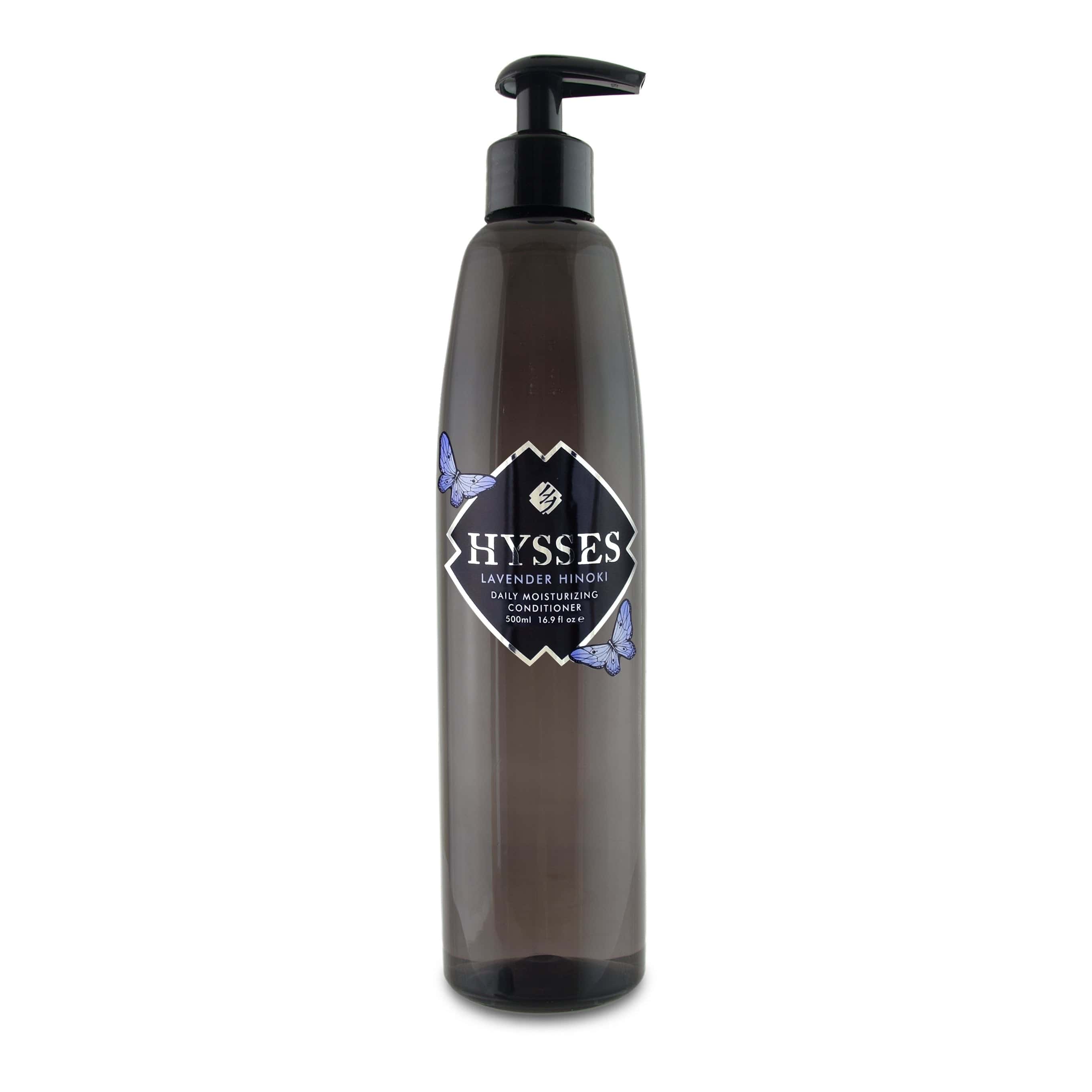
Hair conditioner is more than just a final step after shampooing - it is a scientifically designed treatment that restores moisture, smoothness, and resilience to your strands. Yet many people still wonder:
-
“Is conditioner really necessary every time I wash my hair?”
-
“Does conditioner make hair greasy?”
-
“Why does my hair still look dry even after using conditioner?”
According to Cheryl Gan, Founder and Managing Director of HYSSES, one of the most common issues people face is using conditioner incorrectly - either applying too much, applying it to the wrong areas, or choosing a formula that doesn’t match their hair type.
“Conditioner works best when matched to your hair’s needs and applied with intention. Even the finest natural ingredients cannot perform fully when used the wrong way,”
— Cheryl Gan, Founder of HYSSES
Incorrect use often leads to flat, oily roots or ends that remain dry despite conditioning. When applied correctly, however, conditioner helps restore softness, increase shine, reduce breakage, and protect hair from environmental stress.
What Hair Conditioner Really Does: The Science Behind It
To understand how to use conditioner for maximum results, it helps to understand how it works.
Shampoo cleanses the hair by lifting dirt and sebum but also temporarily raises the hair cuticle, making strands feel rough and tangled. Conditioner helps rebalance the hair structure by:
-
Smoothing and sealing the cuticle
-
Replenishing moisture and lipids
-
Reducing frizz and friction
-
Strengthening weak, damaged fibres
Unlike shampoo, conditioner does not strip natural oils - it restores moisture to maintain the hair’s protective barrier.
For deeper weekly repair, a hair mask can penetrate further into the cortex, but conditioner remains essential for daily or alternate-day maintenance.
Choosing the Right Conditioner for Your Hair Type
Different hair types require different conditioning approaches. Using the wrong kind can leave hair heavy, flat, or under-nourished.
For Dry or Damaged Hair
Look for rich, aromatic conditioners formulated with moisturising botanicals. Hysses hair care range includes essential oils such as:
-
Lavender Essential Oil (soothing, moisture-balancing)
-
Rosemary Essential Oil (strengthening, supports hair resilience and vitality)
-
Geranium Essential Oil (balancing, helps improve softness and moisture retention)
-
Peppermint Essential Oil (refreshing, encourages scalp circulation and promotes a healthier-looking scalp)
For Oily Hair
Lightweight conditioners work best. Apply only to mid-lengths and ends.
Bergamot and Lemongrass Essential Oil may support scalp balance and freshness. Explore Citrus Essential Oils Collection
For Curly or Textured Hair
Curly hair needs intense hydration to define curls and reduce frizz. Look for fragrances like Lavender, Sandalwood, or Geranium, known for moisture-retention and calming benefits.
For Color-Treated Hair
Choose gentle conditioners without harsh chemicals. Hysses conditioners are free from:
-
Sulfates
-
Silicones
-
Mineral oil
-
Synthetic fragrance
This makes them ideal for protecting colour vibrancy.
How to Use Hair Conditioner Properly : Step-by-Step
Using conditioner correctly transforms your wash routine. Here is the Hysses-approved method:
1. Shampoo and Rinse Thoroughly
Use warm water to lift dirt and open the cuticles. Try: HYSSES Natural Body & Hair Wash
2. Squeeze Out Excess Water
Conditioner cannot absorb into dripping-wet hair. This step prevents product waste.
3. Apply from Mid-Length to Ends
Avoid the roots unless your scalp is extremely dry.
4. Use the Right Amount
-
Short hair: dime-sized
-
Medium hair: 20–50 cent coin
-
Long hair: 2 pumps
5. Leave On for 2–3 Minutes
This allows botanical oils to penetrate the hair shaft.
6. Detangle with a Wide-Tooth Comb
This ensures even distribution.
7. Rinse with Cool or Lukewarm Water
Cool water seals the cuticle and enhances shine.
According to aromatherapy expert Robert Tisserand, botanical ingredients such as lavender and rosemary enhance scalp comfort while supporting healthier-looking hair when used consistently.
How Often Should You Use Hair Conditioner?
Different hair types benefit from different conditioning frequencies:
-
Dry / Curly Hair — Condition every wash
-
Normal Hair — Every other wash
-
Oily Hair — 2–3 times weekly (focusing on the ends only)
Can You Use Conditioner Without Shampoo?
Yes. This method is known as co-washing and is helpful for dry or curly hair. However, oily scalps may develop buildup.
Common Mistakes to Avoid
To get maximum benefits from conditioner, avoid:
-
Applying on dripping-wet hair
-
Putting conditioner on the roots
-
Using too little or too much product
-
Rinsing too quickly
-
Skipping conditioning because of oily scalp myths
-
Using human conditioner on pets (their skin pH is different)
Why HYSSES Conditioner Makes a Real Difference
HYSSES hair conditioners combine pure essential oils, plant-based extracts, and premium botanical ingredients to nourish hair without harsh chemicals.
Key natural ingredients used across Hysses hair formulations include:
-
Lavender — moisture-balancing, calming
-
Peppermint — refreshing, scalp circulation benefits
-
Rosemary — supports hair strength
Every wash becomes a sensorial ritual thanks to Hysses’ aromatherapy approach - rooted in purity, craftsmanship, and Singapore-made excellence.
Learning how to use hair conditioner correctly can completely transform your hair’s health and appearance. When paired with high-quality botanically derived conditioners - like those crafted by HYSSES - you unlock smoother, softer, more manageable hair with every wash.
Explore Hysses' natural aromatherapy hair care range to experience a more holistic, more sensorial, and more effective conditioning routine.
Frequently Asked Questions (FAQs)
1. Should I condition my hair every day?
Condition according to hair needs. Daily conditioning helps curly or dry hair but may not suit oily scalps.
2. How long should I leave conditioner in?
2–3 minutes is ideal for daily conditioners. Masks require longer.
3. What happens if I apply conditioner to my scalp?
It may cause buildup and flatten the hair. Apply from mid-length downward unless your scalp is extremely dry.
4. Are natural conditioners better than synthetic ones?
Natural conditioners with essential oils (like Lavender or Rosemary) are gentler and offer additional aromatherapeutic benefits.
5. Can essential oils help with dry or damaged hair?
Yes. Research from PubMed and Harvard Health notes that essential oils such as lavender and peppermint can support scalp comfort and overall hair wellness when properly diluted.
Disclaimer
This guide is intended for educational and informational purposes only and does not replace professional dermatological or medical advice. Always consult a qualified healthcare provider if you have underlying scalp conditions or sensitivities.

Share:
Essential Oils for Cold and Flu Relief: Breathe Easier, Naturally
Hair Conditioner Routine: Step-by-Step Guide for Healthy Hair