

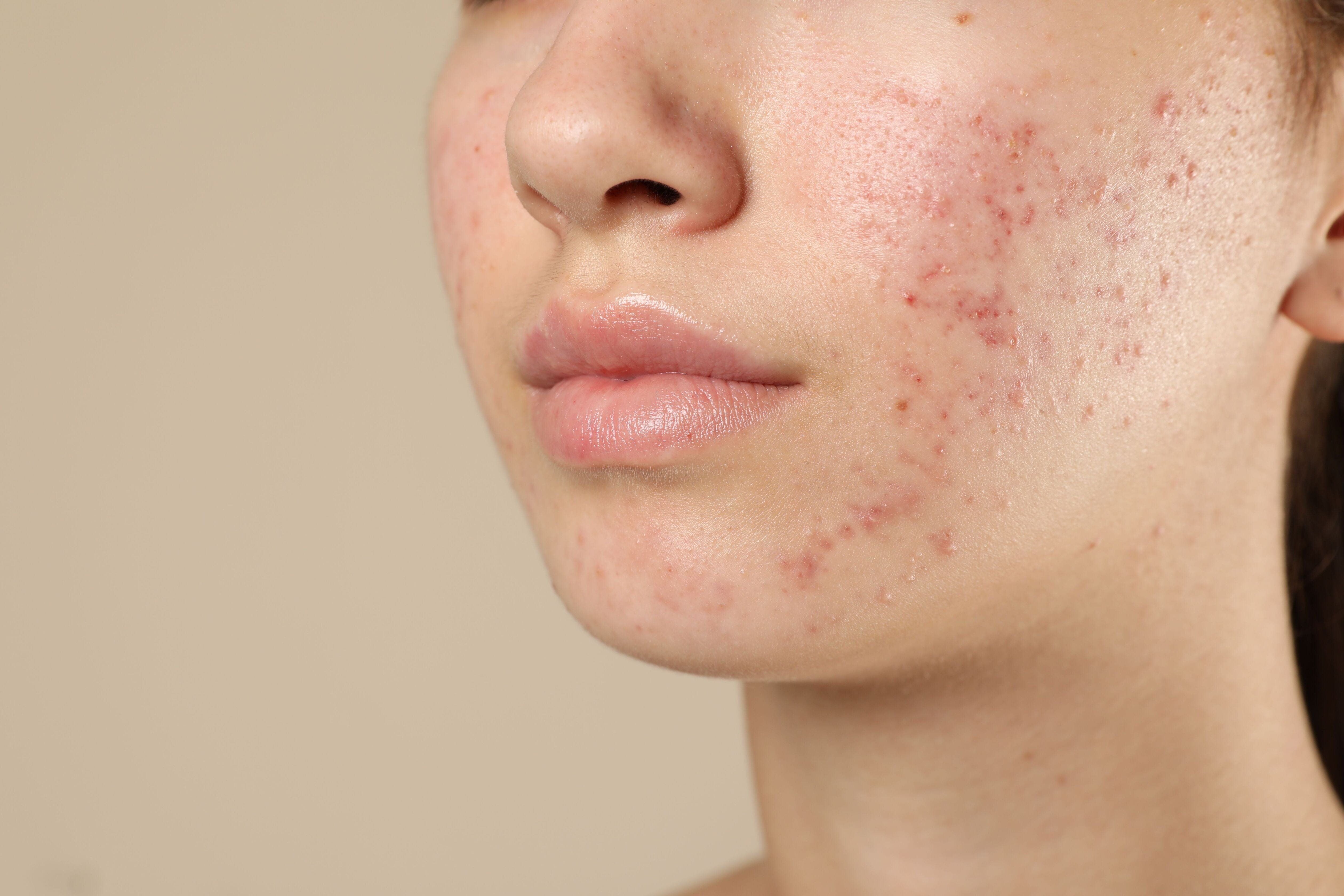
What Is Acne?
Acne is most common in teenagers during their puberty age. Many of them find acne very depressing as they are concerned about their appearance. Acne is a condition that requires an integrated therapeutic approach to unblock pores, decrease bacteria in sebum, decrease sebaceous gland activity and keep the affected area free of oil as possible.
Causes Of Acne
- Hormones that cause the sebaceous glands to enlarge and produce more sebum.
- Stress, which can worsen acne.
- Wrong choice of cosmetic products.
- Medication including lithium and corticosteroids.
The Management Of Acne With Essential Oils
Essential oils are helpful in the management of acne through:
- Clearing the infection
- Reducing sebum production
- Promote healing and reduction of scarring
- Reducing inflammation
- Reducing stress and anxiety
- Helping the body eliminate toxins
Antiseptic properties of Tea Tree (more info | product) are well known for the treatment of Acne. Clinical trials using 5% tea tree solution were found to demonstrate similar beneficial effects as a 5% benzyl peroxide in acne, but with fewer side effects. For moderate to severe acne case, a stronger dosage of 15% of tea tree will yield better results.
To use tea tree as an essential oil for acne, add 2–3 drops directly to the area of concern. Tea tree can also be added to your daily face or body wash or it can be added to a spray bottle filled with water and spritzed on the face or body.
Other essential oils known for their antiseptic properties that may be used in Acne treatment includes:
To alleviate feelings of stress that can trigger the production of sebum, diffuse 5 drops of lavender oil at home or apply topically to the wrists, back of neck or temples. To kill bacteria that is clogging your pores and causing acne, apply 1–3 drops of clary sage oil to the area of concern.

Share:
Anxiety: A Natural Emotion, A Modern Challenge
Sensitive Skin