

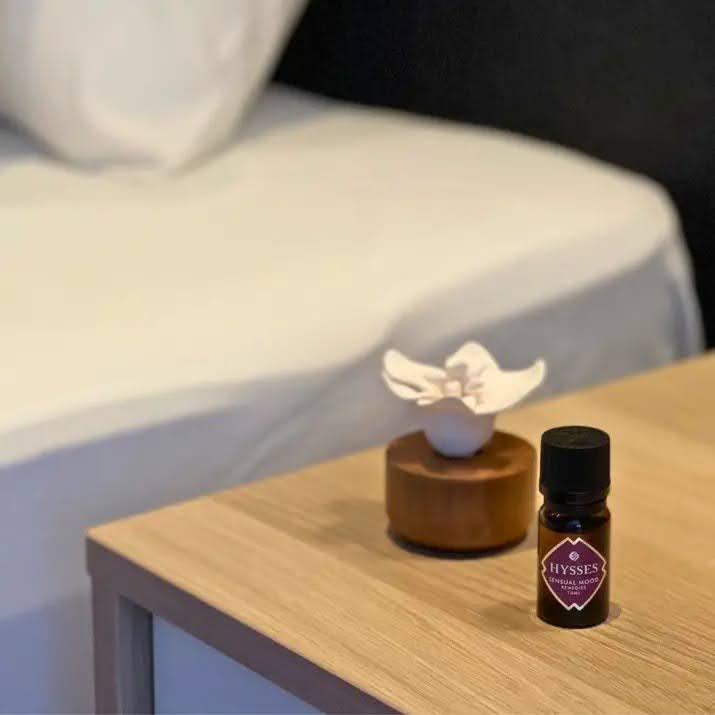
Your home should be more than just a place you live, it should feel like a personal sanctuary, a space that reflects your style and soothes your senses. While furniture and lighting help set the scene, one often-overlooked element has a powerful impact on how your home feels: scent. The right fragrance can turn a simple room into a warm, welcoming retreat, instantly changing the mood and ambiance.
Scenting a room can be achieved through a variety of methods, but two of the most effective and versatile options are essential oils and perfumes. These options offer natural and personalized ways to fill your space with aromas that reflect your personality, calm your mood, or energize your mind. Let’s explore how to use scents thoughtfully and safely to create an environment that feels just right no matter the room or the moment.

The Power of Scent in Shaping Atmosphere
Scents have a profound impact on our emotions and perceptions. A citrus-infused living room can energize, while lavender in the bedroom promotes tranquility. Understanding this connection allows you to curate environments tailored to each room’s purpose. The key lies in choosing the right method and fragrance, balancing intensity with subtlety to avoid overwhelming the space.

The Power of Essential Oils in Home Fragrance
Essential oils are concentrated plant extracts that carry the natural scent and therapeutic properties of their source. They’ve been used for centuries in wellness and aromatherapy, but their application extends beautifully into home fragrance. the best way to use essential oils to scent a room. The best way to use essential oils to scent a room, starts with understanding your options for dispersal.
Diffusers remain a popular choice, but their effectiveness varies by type. Ultrasonic diffusers, these devices use water and ultrasonic vibrations to disperse a cool mist infused with essential oils, making them ideal for humidifying the air while scenting it. Nebulizing diffusers, on the other hand, release pure essential oil without water, resulting in a stronger, more intense aroma perfect for larger rooms or more robust scent profiles. Heat diffusers and evaporative diffusers are more subtle but still effective, using warmth or airflow to spread the fragrance.
Another easy and customizable approach is using spray bottles. You can create your own room spray by mixing essential oils with distilled water and a bit of alcohol or witch hazel to help disperse the oil. A good starting ratio is about 10 to 15 drops of essential oil per ounce of water, adjusting to your preference.
DIY techniques also add a personal touch. For example, soaking cotton balls with essential oil and placing them in small dishes around the room, adding a few drops of oil to a bowl of dried flowers, or even adding oil to your vacuum filter are creative ways to spread scent. These methods are simple, low-cost, and allow for flexibility in scent and location.

How to Use Essential Oils to Scent a Room
Understanding the Impact of Scent influences both emotion and energy levels, so choosing the right essential oils for each room in your home is important.

-
Select Oils Based on Room Function
For Bedrooms: Use calming oils like lavender, chamomile, or sandalwood to promote rest and relaxation.
For Kitchens or Workspaces: Opt for refreshing citrus oils like lemon, orange, or grapefruit to boost clarity and energy.
For Bathrooms: Choose invigorating oils such as eucalyptus or peppermint for a clean, spa-like experience.

-
Create a Signature Scent by Layering Oils
Blending essential oils helps you design a unique aroma that reflects your style and suits each room's mood.
Follow the Scent Layering Formula
Combine
A top note (e.g., citrus or mint) for the initial impression,
A middle note (e.g., lavender or geranium) to carry the heart of the scent,
A base note (e.g., cedarwood or patchouli) to add depth and lasting power.

-
Experiment to Find the Perfect Blend
Try different combinations until you discover a mix that enhances the atmosphere of your space and feels truly personal.

Using Perfumes for Room Scent
While essential oils are a natural choice, don’t overlook the potential of your favorite personal perfumes. Using perfumes for room scent is a clever way to infuse your home with a fragrance you already love. However, their potency demands caution, a single spritz on a curtain or upholstered pillow can suffice. For a subtler effect, dilute perfume with water in a spray bottle (1 part perfume to 3 parts water) and mist lightly.
DIY perfume-based sachets are another elegant option. Dab a few drops onto dried flowers or fabric pouches and tuck them into drawers or bookshelves. This method slowly releases fragrance without overpowering.

Tailoring Scents to Every Room
Each space in your home serves a unique purpose, and your scent strategy should reflect that.
Bedroom, Thrive on calming blends. Lavender, vanilla, and chamomile promote restfulness, making them perfect for creating a tranquil retreat. Use a diffuser with a timer to scent the room before bedtime without it running all night.
Living Room, you want something welcoming and cozy. Warm scents like cedarwood, cinnamon, bergamot, or sandalwood create a comforting atmosphere. Layering scents can help, combine a base oil with a floral or citrus top note to achieve complexity without overwhelming the space.
Bathrooms, often smaller and more humid, can mimic spa-like serenity. Eucalyptus, tea tree, peppermint, and lemon oil not only freshens but also boasts antibacterial properties. Diffusers, sprays, or placing scented cotton balls in drawers or cabinets can keep your bathroom smelling fresh.
Kitchens can be tricky because food smells tend to linger. To keep things balanced, use neutralizing essential oils like lemon, rosemary, or basil, which combat odors while adding a light and clean scent. Avoid heavily floral or sweet fragrances in kitchens as they may clash with cooking aromas.

Scenting with Care
While scenting your home is a wonderful way to create ambiance, it’s essential to do it safely. Even the most enticing fragrances require mindful use. Essential oils, though natural, can irritate when overused. Stick to recommended dilutions (typically 5–10 drops per diffuser session) and ensure proper ventilation. Homes with pets or children need extra caution, avoid oils like tea tree or eucalyptus around cats, and opt for gentler scents like chamomile in nurseries.
Avoid over-scenting. Start with minimal oil or perfume, subtle aroma is far more pleasant than a strong, cloying one. Let the scent enhance the space, not dominate it. Remember, subtlety often leaves a lasting impression.
Scenting your home with essential oils and perfumes is more than just a luxury, it’s a meaningful way to enhance your environment, uplift your mood, and create spaces that truly feel like your own. From carefully selecting oils that match each room’s purpose to experimenting with blends and application methods, you have the power to shape your home’s atmosphere in a deeply personal way. By following safe practices and tailoring your approach to each space, you can transform everyday moments into sensory experiences. Whether you prefer the natural essence of essential oils or the elegance of your favorite perfume, let your sense of smell guide you in turning your home into a sanctuary of comfort, clarity, and calm.
Ready to transform your living space into a personalized haven of scent and serenity? Start exploring our essential oils and perfumes today to discover your signature scent, and bring a new level of comfort and character to every room in your home.

Share:
The Ultimate Guide to Room Scents
DIY Room Scents For a Fresh-Smelling Home