

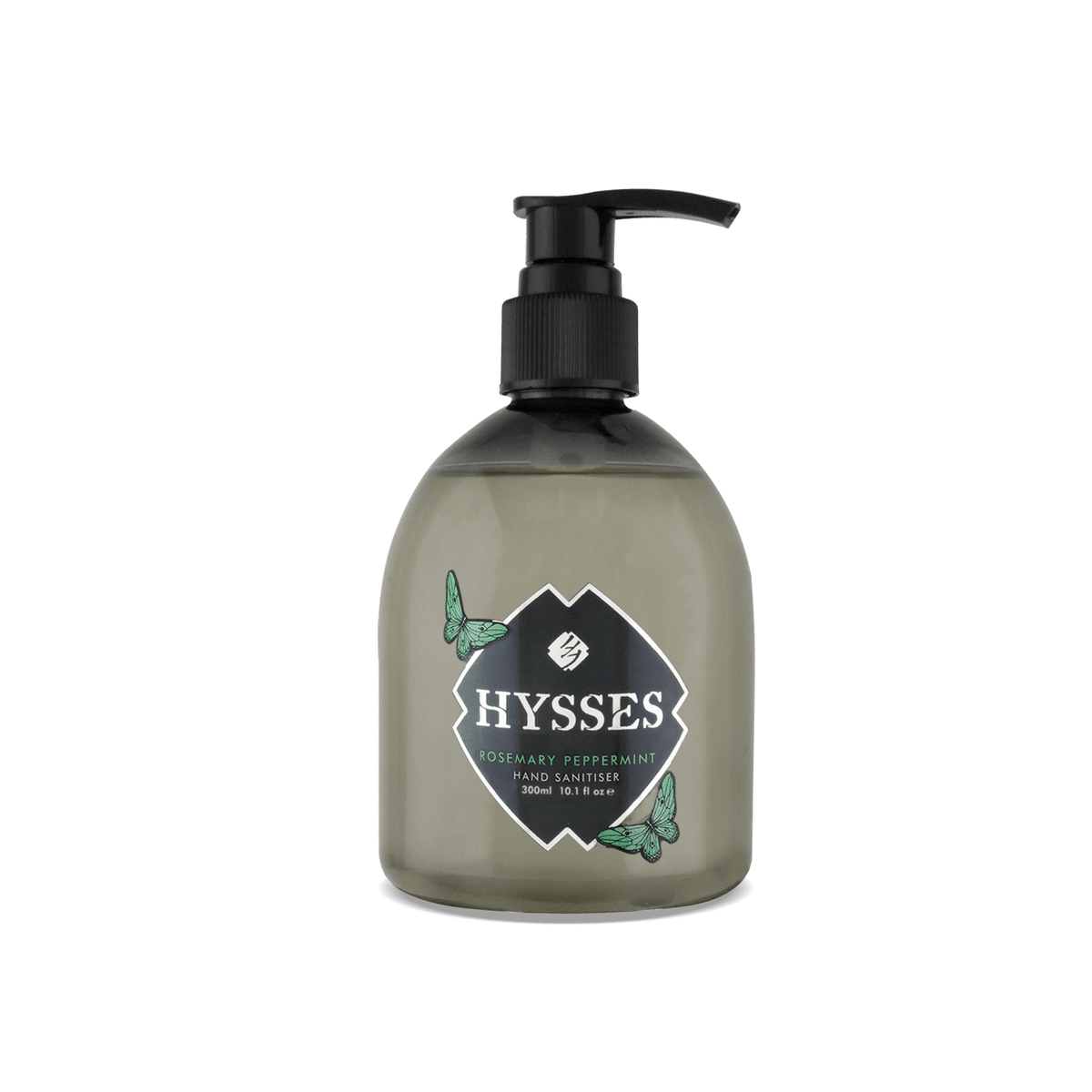
Clean hands remain one of the simplest and most effective ways to protect yourself and others in a world filled with shared surfaces. When soap and water are not readily available, a bottle of hand sanitiser becomes a reliable backup. Yet, many people continue to wonder which of the two methods offers better hygiene and protection.
This guide explains how hand sanitisers and soap each work, when to use one over the other, and how both can complement each other in maintaining healthy, germ-free hands. It also provides practical insights into selecting safe and effective sanitisers, including naturally formulated options such as HYSSES Hand Sanitiser.
What is Hand Sanitiser and How Does It Work
Hand sanitiser is a quick-drying gel or liquid used to reduce the number of germs on the skin. The most effective types are alcohol-based, containing between 60 and 95 percent ethanol or isopropyl alcohol. These concentrations are proven to deactivate many bacteria and viruses by breaking down their protective membranes and proteins.
According to a 2020 study published in the Journal of Environmental Health Research, alcohol-based sanitisers remain highly effective against common flu and coronavirus strains when properly applied. Non-alcohol formulations, which may contain benzalkonium chloride, can reduce some germs but are generally less reliable.
Although sanitiser works quickly, usually within 20 seconds of rubbing, it does not remove visible dirt, grease, or harmful chemicals. This makes it most useful as a secondary method when soap and water are not available.
How Soap Works to Clean Hands
Soap functions differently from sanitiser. Instead of killing germs, it removes them from the skin. Soap molecules have two ends: one binds to oil and dirt, while the other binds to water. When mixed with water, these molecules form structures called micelles that lift away grime and microbes so they can be rinsed off completely.
Because of this, soap is particularly effective when hands are visibly dirty, oily, or sticky. It also removes a wider range of pathogens, including those with protective coatings that alcohol may not destroy.
The World Health Organization continues to recommend washing hands with soap and water as the preferred method for maintaining good hygiene whenever possible.
Hand Sanitiser vs. Soap: The Key Differences
|
Aspect |
Hand Sanitiser |
Soap and Water |
|
How It Works |
Kills many bacteria and viruses using alcohol |
Physically removes germs, dirt, and chemicals |
|
When to Use |
On the go or when water is unavailable |
When hands are visibly dirty or greasy |
|
Skin Impact |
May cause dryness with frequent use |
Gentler when using mild or moisturizing soap |
|
Convenience |
Portable and quick |
Requires water and sink access |
Skin Health and Moisture Care
Alcohol-based sanitizers can sometimes cause dryness or mild irritation. According to Cheryl Gan, Founder and Managing Director of HYSSES, developing an effective sanitiser begins with balancing strong antibacterial performance and gentle skin protection.
HYSSES Hand Sanitisers are formulated with plant-based ingredients and natural moisturizing agents that help maintain hydration. This ensures the hands feel soft and refreshed even with frequent use.
When to Use Hand Sanitiser
Hand sanitiser is most effective in moments when soap and water are unavailable. This includes travelling, commuting, dining out, or after touching shared surfaces such as elevator buttons or handrails.
To use sanitiser correctly:
-
Apply enough product to cover all areas of your hands.
-
Rub palms, backs of hands, fingers, and under nails.
-
Continue rubbing for about 20 seconds until dry.
Hand sanitiser disinfects at the moment of application but does not offer lasting protection. Regular reapplication is recommended when frequently touching public surfaces.
When to Use Soap and Water
Soap and water are best when hands are visibly dirty, greasy, or contaminated by food, soil, or chemicals. It is also preferred after handling pets, raw meat, or performing household cleaning.
Wash for at least 20 seconds, covering palms, backs of hands, and the spaces between fingers. Rinse thoroughly under running water and dry with a clean towel.
Pros and Cons of Hand Sanitiser
Advantages:
-
Convenient and easy to carry
-
Works quickly to kill most germs
-
Requires no water or sink
-
Useful in travel and public settings
Disadvantages:
-
Less effective on soiled or greasy hands
-
May cause dryness with repeated use
-
Does not remove chemicals or heavy dirt
Pros and Cons of Soap
Advantages:
-
Removes visible dirt, oil, and a wide range of germs
-
Effective against organisms that resist alcohol-based sanitizers
-
Gentle on the skin when using mild or moisturizing soap
Disadvantages:
-
Requires water and sink access
-
Less convenient while travelling
How Long Does Hand Sanitiser Last
Most commercial hand sanitizers include a “best before” or expiration date. Over time, alcohol may evaporate, especially if the bottle is not tightly sealed. This reduces its germ-killing ability.
Properly stored sanitisers generally remain effective for two to five years. If the sanitiser has lost its alcohol scent, appears cloudy, or separates into layers, it is best to replace it.
The Best Hygiene Practice: Using Both Together
Soap and sanitiser are complementary rather than competing. The most effective routine combines both.
At home: Wash with soap and water before meals, after bathroom use, and after handling food or dirty materials.
On the go: Use sanitiser after touching public surfaces or before eating when water is unavailable.
For skin care: Apply a gentle moisturiser to protect hands from dryness.
In professional or healthcare settings: Follow hygiene protocols that specify when soap or sanitiser should be used.
A balanced approach ensures optimal hygiene and comfort for your skin.
Both soap and hand sanitiser play important roles in maintaining good hygiene. Soap removes dirt and a wide range of microbes, while sanitiser offers quick disinfection when water is not accessible. The smartest routine is to use each in the situations where it performs best.
Choose gentle, effective sanitisers made with naturally derived ingredients, such as HYSSES Hand Sanitiser, for protection that cares for your skin as much as it cleans.
Frequently Asked Questions
1. Is alcohol-free sanitiser effective?
Alcohol-free sanitisers can reduce some germs but are generally less effective than those containing at least 60 per cent alcohol.
2. How often should I use hand sanitiser?
Use sanitiser whenever you have touched public surfaces or objects. Wash with soap and water whenever possible to remove dirt build-up.
3. Does hand sanitiser expire?
Yes. The alcohol content can decrease over time. Check the expiry date and replace older products as needed.
4. Can frequent sanitiser use damage the skin?
Frequent use may dry the skin slightly. Moisturising or naturally formulated sanitisers help reduce this effect.
5. Where can I buy hand sanitiser in Singapore?
You can purchase high-quality options from the HYSSES Hand Sanitiser Collection.
Disclaimer
This guide is intended for educational and informational purposes only. It is not a substitute for professional medical advice, diagnosis, or treatment. Always follow official hygiene guidelines provided by healthcare authorities.
References
Journal of Environmental Health Research (2020). Effectiveness of alcohol-based sanitizers against respiratory viruses.
World Health Organization. (2023). Hand Hygiene Guidelines.
Centers for Disease Control and Prevention. (2024). Handwashing: Clean Hands Save Lives.
Related Articles
-
How to Keep Your Workspace Clean with Essential Oils
-
Everyday Hygiene Habits for a Healthier Home
-
A Guide to Choosing Natural Products for Sensitive Skin

Share:
How Long Does Hand Sanitiser Stay Effective After Use?
How to Refill Hand Sanitiser Bottles Safely and Efficiently