

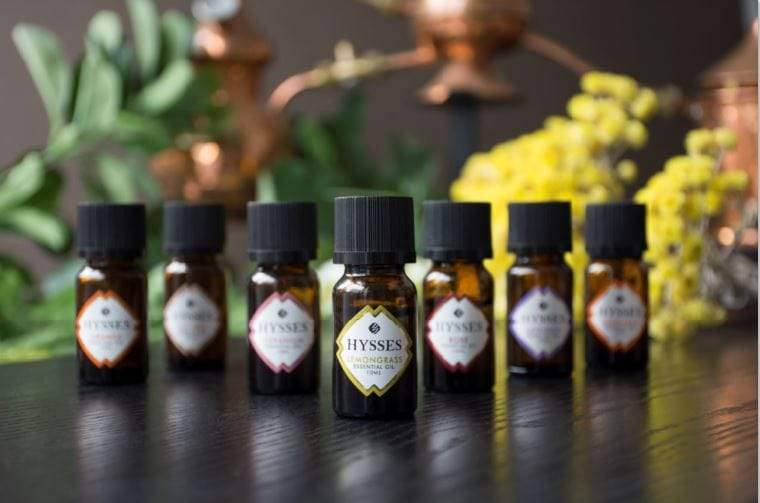
Keeping your home clean and fresh does not always require harsh chemicals. With the natural power of essential oils, you can disinfect surfaces, remove stains, and eliminate odours while surrounding your space with uplifting aromas. From wiping countertops with citrus blends to refreshing fabrics with lavender mist, essential oils offer antibacterial, antifungal, and deodorising benefits in just a few drops. These natural formulations support both your home and your wellbeing, turning daily chores into mindful acts of care.
Why Essential Oils Outshine Chemical Cleaners
Conventional household cleaners may act fast, but they often release volatile organic compounds (VOCs) into the air, which can irritate the lungs and affect indoor air quality. According to a study by the Environmental Protection Agency (EPA), VOC concentrations indoors can be two to five times higher than outdoors, particularly during cleaning routines.
Essential oils offer a gentler, safer alternative. “When formulated correctly, plant-based essential oils can effectively neutralise bacteria and fungi without leaving harmful residues,” explains Cheryl Gan, Founder and Managing Director of HYSSES. These oils are rich in natural compounds such as terpenes and phenolics, which exhibit strong antimicrobial activity.
A 2020 study published in the Journal of Environmental Health Research found that essential oils such as Tea Tree, Eucalyptus, and Lemon demonstrated significant antibacterial properties against household pathogens. Unlike synthetic cleaners, essential oils break down naturally and minimise environmental pollution, supporting a healthier home and planet.
Top Essential Oils for Every Cleaning Challenge
Each essential oil carries its own strengths. Some target bacteria, others cut grease, while many leave behind scents that lift the mood and purify the air.
Tea Tree Essential Oil
With strong antiseptic and antifungal properties, Tea Tree oil is ideal for sanitising kitchen and bathroom surfaces. A few drops in water can help prevent mould and mildew growth.
Lemon Essential Oil
Fresh and invigorating, Lemon oil dissolves sticky residues on glass, tile, and stainless steel. Its natural solvent, d-limonene, brightens and cuts grease effectively.
Lavender Essential Oil
Gentle yet powerful, Lavender cleans while leaving behind a soothing floral scent that relaxes the mind. It’s perfect for bedrooms, linen cupboards, and living spaces.
Eucalyptus Essential Oil
Eucalyptus cuts through grime with ease and freshens the air. Its crisp aroma makes it excellent for bathrooms and entryways.
Peppermint Essential Oil
This refreshing oil naturally repels ants and spiders, making it useful around pantries, baseboards, and window sills.
For a full range of natural cleaning and aromatherapy solutions, explore the HYSSES Diffusers Collection.
Targeted Solutions for Stubborn Problems
Some cleaning challenges go beyond routine wiping. Essential oils can offer targeted support for grease, mould, and odours, safely and effectively.
How to Remove Oil Stains from Clothes
Oil stains can be difficult because heat and friction set the grease deeper into fibres. Lemon oil’s d-limonene helps dissolve the oil, while Tea Tree oil combats bacteria and odours.
Steps:
-
Blot excess oil with paper towels; do not rub.
-
Mix 1 tablespoon baking soda with 2 drops Lemon Essential Oil and 1 drop Tea Tree Essential Oil. Add a few drops of water to create a paste.
-
Apply the paste gently with a soft brush and let it sit for 15 minutes.
-
Rinse with cold water. Repeat if needed.
-
Pretreat with mild detergent and wash in the warmest water safe for the fabric. Avoid the dryer until the stain is gone.
-
For lingering odours, rinse with a solution of 1 cup water and 5 drops Lavender Essential Oil before laundering.
Always test this method on a hidden area first. For delicate or vintage fabrics, consult a professional cleaner.
Home Remedy for Cleaning Oil Paintings
Oil paintings and artworks are sensitive to solvents. If valuable, consult a professional conservator first. For sturdier modern works:
-
Dust lightly with a clean, dry microfiber cloth.
-
Mix 1 teaspoon of Jojoba Oil with 1 drop of Frankincense Essential Oil.
-
Using a cotton swab, test on a small corner.
-
If no discolouration occurs, gently roll the swab over soiled areas. Avoid rubbing or over-wetting.
Store paintings in cool, shaded areas away from direct sunlight after cleaning.
Whipping Up Your Own Cleaners
Creating natural cleaners at home gives you control over strength and scent. All you need are empty spray bottles and your favourite HYSSES essential oils.
All-Purpose Cleaner
-
1 cup white vinegar
-
1 cup distilled water
-
15 drops Tea Tree Essential Oil
-
10 drops Lemon Essential Oil
-
5 drops Lavender Essential Oil
Shake before use. Ideal for countertops and tiles.
Bathroom Refresher
-
½ cup rubbing alcohol
-
½ cup distilled water
-
15 drops Eucalyptus Essential Oil
-
10 drops Peppermint Essential Oil
Cleans soap scum and freshens the air with a crisp, cooling aroma.
Glass and Mirror Spray
-
1 cup distilled water
-
2 tablespoons rubbing alcohol
-
10 drops Lemon Essential Oil
Wipe with a clean microfiber cloth for a streak-free shine.
Discover more cleaning blends in The Ultimate Guide to Using Essential Oils for Natural Remedies.
Banish Odours with Scents of Nature
Odours in kitchens, closets, and bathrooms can linger, but essential oils neutralise them naturally.
-
Trash Cans: Add a cotton ball with a few drops of Tea Tree or Lemon Essential Oil at the bin’s base.
-
Closets: Mix Lavender Essential Oil with water and lightly mist cedar blocks or wooden hangers.
-
Carpets: Combine ½ cup baking soda with 10 drops Eucalyptus Essential Oil. Sprinkle, wait 20 minutes, and vacuum.
-
Bathrooms: Use a diffuser with Peppermint or Lemon Essential Oil for a spa-like freshness.
Learn more in Natural Remedies for Pain Relief.
Staying Safe When Cleaning with Oils
Essential oils are potent, so correct usage ensures safety and effectiveness.
-
Dilute properly: Always follow recommended ratios.
-
Patch-test fabrics: Try new blends on hidden areas first.
-
Store correctly: Keep oils in dark glass bottles away from sunlight.
-
Mind pets and children: Avoid ingestion and ventilate after cleaning.
-
Use gloves if needed: Especially if you have sensitive skin.
Incorporating essential oils into your cleaning routine transforms chores into mindful rituals. These natural solutions not only clean but also nurture wellbeing through aromatherapy. With carefully crafted blends from HYSSES, you can enjoy a clean, safe, and fragrant home while supporting an eco-conscious lifestyle.
Explore the HYSSES Essential Oils Collection and Diffusers Collection to start your natural cleaning journey.
Frequently Asked Questions
1. Are essential oils really effective for cleaning?
Yes. Studies published in journals like Applied Microbiology show that oils such as Tea Tree and Lemon exhibit strong antibacterial activity comparable to some synthetic cleaners.
2. Can I use essential oils on all surfaces?
Avoid unfinished wood, natural stone, and delicate fabrics. Always test a small area before full application.
3. How long do essential oil cleaners last?
Most DIY cleaners remain effective for up to one month when stored in dark glass bottles.
4. Are essential oils safe for homes with pets?
Some oils, including Tea Tree and Peppermint, should be used with care around pets. Ventilate rooms and avoid direct exposure.
5. What is the best oil to neutralise kitchen odours?
Lemon and Eucalyptus Essential Oils are both excellent at eliminating cooking odours while leaving a refreshing scent.
Disclaimer
This guide is intended for educational and informational purposes only. It is not a substitute for professional cleaning or medical advice. Always follow safe dilution ratios and patch-test before applying essential oils on surfaces or fabrics.
References
Environmental Protection Agency. (2020). Volatile Organic Compounds’ Impact on Indoor Air Quality.
Tisserand, R., & Young, R. (2014). Essential Oil Safety: A Guide for Health Care Professionals. Churchill Livingstone.
Journal of Environmental Health Research. (2020). Antibacterial Effects of Selected Essential Oils.
Harvard Health Publishing. (2021). The Science of Scent and Wellness.
Pénoël, D. (2017). Aromatherapy for the Home and Beyond.

Share:
How to Use Essential Oils for Itchy Skin & Bug Bite Relief
How to Elevate Yoga and Meditation Practice with Essential Oils