

Living in Singapore means constantly transitioning between intense outdoor humidity and heavily air-conditioned indoor spaces. Offices, shopping malls, cafés, public transport, and homes all rely on cooling systems throughout the day.
While air-conditioning offers comfort in tropical climates, prolonged exposure may quietly weaken the skin barrier over time.
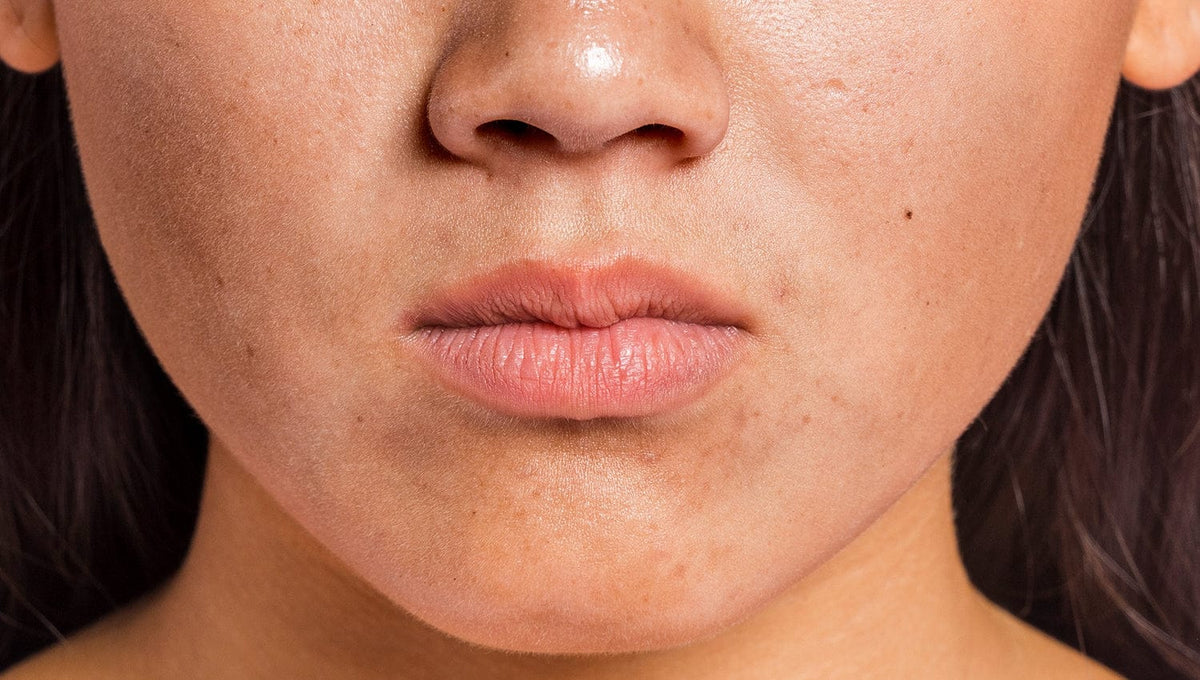
Many people first notice subtle symptoms. Skin starts feeling tight after spending hours indoors. Makeup no longer applies smoothly. Redness becomes more frequent, while breakouts appear despite regular moisturising.
Unlike sun damage, which is more visible and widely discussed, air-conditioning damage develops gradually and often goes unnoticed until the skin becomes persistently reactive.
“Modern indoor lifestyles expose the skin to repeated cycles of dehydration. Supporting the skin barrier with calming botanicals and restorative rituals becomes essential for long-term skin wellness.” — Cheryl Gan, Founder and Managing Director of HYSSES.
What Air-Conditioning Actually Does to the Skin
Air-conditioning systems reduce humidity levels in indoor environments. While this cools the air, it also strips moisture from the skin surface.
When humidity decreases, moisture evaporates more rapidly from the skin barrier. Over time, this weakens the skin’s ability to retain hydration effectively.
Once the barrier becomes compromised, the skin struggles to:
-
Retain moisture
-
Defend against irritants
-
Maintain elasticity
-
Support a healthy microbiome
This explains why many people experience:
-
Tightness after office hours
-
Flaky patches
-
Increased sensitivity
-
Dullness and rough texture
-
Excess oil production despite dehydration
Singapore’s climate makes this worse because the skin constantly adjusts between humid outdoor conditions and cold indoor cooling.
Creating a healthier indoor environment may help reduce this stress. Many individuals incorporate aromatherapy into their daily spaces using the HYSSES Diffusers Collection to promote a more balanced atmosphere indoors.
The Hidden Signs Your Skin Barrier Is Damaged
Barrier damage is not always obvious.
Many people assume dehydrated skin only appears as peeling or visible dryness. In reality, the signs are often more subtle.
Common Symptoms of Aircon-Stressed Skin
-
Persistent tightness
-
Redness and irritation
-
Increased sensitivity
-
Rough texture
-
Lack of radiance
-
Combination of oiliness and dryness
-
Stress-related breakouts
According to Purnamawati, S., et al. (2017), environmental stressors may weaken barrier integrity and contribute to inflammatory skin concerns.
Healthy skin naturally reflects light because hydration levels remain balanced. Once the barrier weakens, the skin surface becomes rougher and duller.
Botanical Ingredients That Help Restore the Skin Barrier
At HYSSES, botanical wellness combines sensory aromatherapy with nature-inspired formulations that support emotional wellbeing and skin comfort.
Lavender Essential Oil for Calm and Recovery
Lavender Essential Oil is widely appreciated for its calming floral aroma and restorative wellness benefits.
Research according to Koulivand, P. H., et al. (2013), suggests lavender aromatherapy may help support relaxation and reduce stress responses.
According to aromatherapy expert Robert Tisserand, lavender remains one of the most versatile essential oils in aromatherapy due to its balancing and soothing sensory profile.
Frankincense Essential Oil for Skin Resilience
Frankincense Essential Oil Collection offers grounding woody-resinous aromas commonly used in restorative wellness rituals.
Frankincense has traditionally been associated with calming and meditative practices that help create a sense of balance after stressful indoor exposure.
Sandalwood Essential Oil for Comfort and Hydration
Known for its creamy woody aroma, Sandalwood Essential Oil Collection is often incorporated into evening self-care rituals focused on comfort and relaxation.
Its warm sensory profile pairs beautifully with nighttime recovery routines after prolonged exposure to dry indoor environments.
Geranium Essential Oil for Balance
Geranium Essential Oil Collection is valued for its fresh floral-green aroma and balancing properties.
It is frequently used in aromatherapy routines designed to support emotional and environmental balance.
Why Aromatherapy Matters for Indoor Wellness
Skin stress is often connected to emotional stress and environmental fatigue.
According to Hedigan, F., et al. (2023), aromatherapy interventions may help support relaxation and emotional wellbeing.
Creating intentional wellness rituals throughout the day may help counterbalance the effects of prolonged air-conditioning exposure.
Morning Indoor Wellness Ritual
Before entering air-conditioned environments:
-
Apply a nourishing moisturiser
-
Maintain hydration levels
-
Diffuse calming botanical oils
A comforting daytime blend may include:
-
Lavender Essential Oil
-
Bergamot Essential Oil
-
Sandalwood Essential Oil
This combination creates a soft floral-citrus aroma layered with grounding woody notes.
Readers looking to improve their diffuser experience may also explore:
Creating an Evening Recovery Ritual
After long exposure to dry indoor cooling, the skin and mind both benefit from restorative rituals.
Focus on:
-
Gentle cleansing
-
Deep hydration
-
Stress reduction
-
Relaxing aromatherapy
Air-conditioning may feel harmless, but daily exposure can quietly weaken the skin barrier over time.
What begins as occasional dryness may gradually develop into chronic dehydration, sensitivity, dullness, and imbalance.
The good news is that intentional wellness rituals, hydration-focused skincare, and carefully selected botanical ingredients may help support healthier-looking skin.
Dryness, tightness, and sensitivity don’t have to be your normal. Rebuild your skin barrier with HYBiome’s Collections designed for Singapore skin.
Explore the thoughtfully curated wellness collections at HYSSES to discover aromatherapy and self-care rituals designed for modern tropical living.
Frequently Asked Questions (FAQs)
Does air-conditioning really damage the skin barrier?
Yes. Low-humidity indoor environments may increase transepidermal water loss, weakening the skin barrier and contributing to dehydration and irritation.
Why does my skin become oily after staying in air-conditioning?
When the skin becomes dehydrated, it may produce excess oil to compensate for moisture loss, creating simultaneous dryness and oiliness.
Which essential oils are commonly used in calming wellness rituals?
Lavender, Frankincense, Sandalwood, and Geranium essential oils are frequently used in aromatherapy routines focused on relaxation and comfort.
Can aromatherapy support emotional wellbeing?
Research suggests aromatherapy may help promote relaxation and reduce stress responses.
How can I improve indoor wellness naturally?
Using diffusers, maintaining hydration, following gentle skincare routines, and incorporating aromatherapy rituals may help create a more balanced indoor environment.
Disclaimer
This guide is intended for educational and informational purposes only and should not be considered medical advice. Essential oils and wellness products should always be used according to product instructions. Individuals with allergies, medical conditions, or sensitive skin should consult a qualified healthcare professional before use.
References
-
Koulivand, P. H., Khaleghi Ghadiri, M., & Gorji, A. (2013). Lavender and the nervous system. Evidence-Based Complementary and Alternative Medicine, 2013, 681304.
-
Hedigan, F., Sheridan, H., & Sasse, A. (2023). Benefit of inhalation aromatherapy as a complementary treatment for stress and anxiety in a clinical setting: A systematic review. Complementary Therapies in Clinical Practice, 52, 101750.

Share:
TCM Meets Modern Skincare: What Ginseng, White Peony, and Aucklandia Root Do for Your Skin