

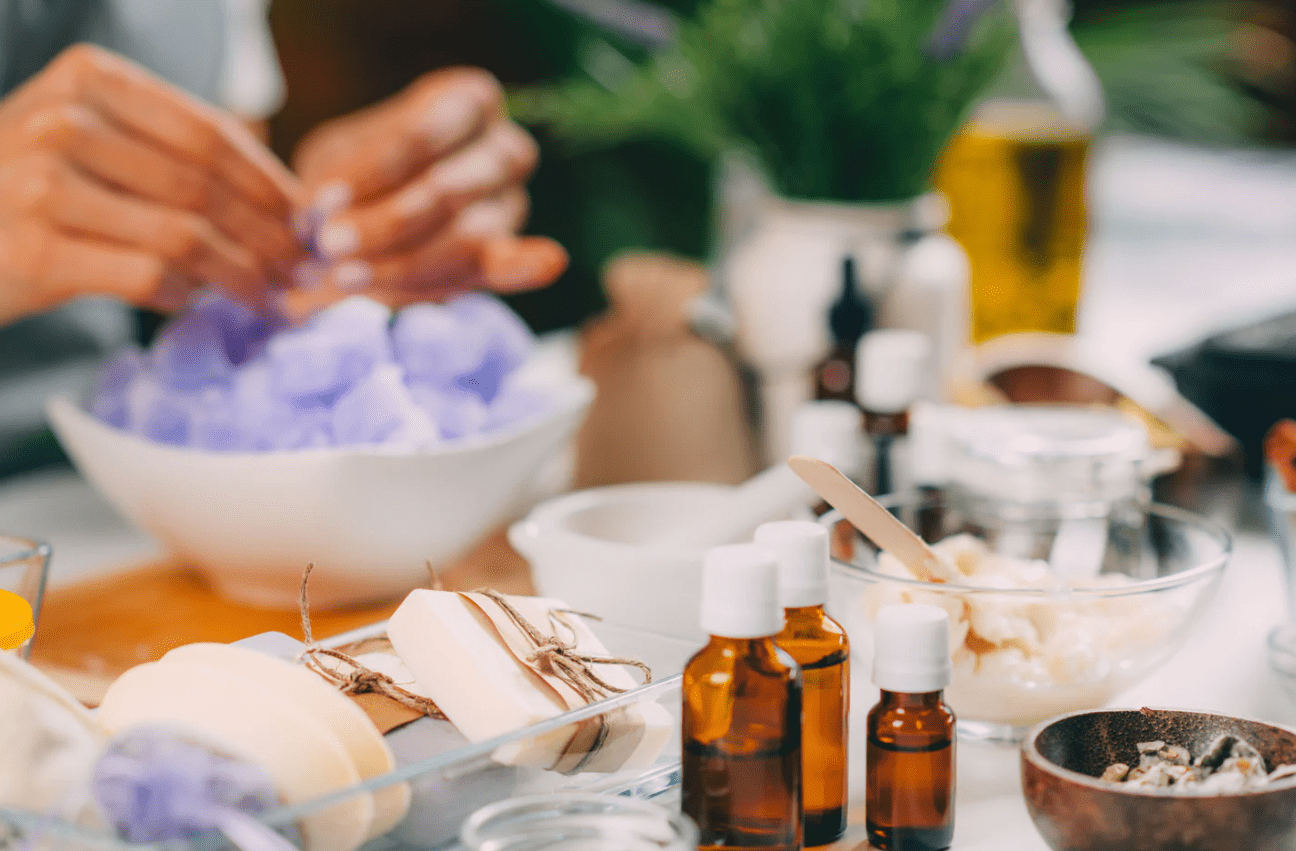
Creating your own perfume has become one of the most rewarding ways to personalise self-care and natural living. Many fragrance lovers are now moving away from synthetic perfumes and choosing botanical alternatives made with pure essential oils.
DIY scents offer more than fragrance, they allow you to design a signature aroma that reflects your personality. Whether you love bright citrus notes, calming florals, or warm woody blends, essential oils help you build a scent that feels elegant and intentional.
When blended correctly, natural perfume can also last beautifully throughout the day.
“Fragrance should feel deeply personal and naturally luxurious. With quality essential oils and balanced formulation, a DIY scent can be both beautiful and enduring.”
— Cheryl Gan, Founder & Managing Director of HYSSES
Why DIY Perfume & Scents Are Trending
Consumers today are becoming more ingredient-conscious. Many commercial perfumes contain synthetic fragrance compounds, while DIY perfume gives you more transparency and control.
Benefits of DIY Scents
-
Personalised scent profiles
-
Adjustable fragrance strength
-
Cleaner ingredients
-
Sustainable refillable bottles
-
Wellness-focused aroma rituals
According to Johns Hopkins Medicine, aromatherapy using essential oils may support mood and wellbeing when used properly.
How Perfume Structure Affects Longevity
A lasting perfume is created in layers.
Top Notes
These are the first aromas noticed after application.
Examples:
-
Bergamot
-
Lemon
-
Grapefruit
-
Orange
-
Peppermint
Middle Notes
These create the heart of the fragrance.
Examples:
-
Lavender
-
Jasmine
-
Rose
-
Geranium
-
Ylang Ylang
Base Notes
These provide depth and longest wear.
Examples:
-
Sandalwood
-
Cedarwood
-
Frankincense
Without base notes, scents often fade quickly.
Best Essential Oils for DIY Scents That Last Longer
Sandalwood Essential Oil
Creamy, soft, woody, and luxurious. Excellent for signature perfumes.
Frankincense Essential Oil
Warm resinous aroma that adds sophistication and staying power.
Cedarwood Essential Oil
Dry woody note that anchors florals and citrus.
Lavender Essential Oil
Fresh floral-herbal scent that balances stronger notes.
Ylang Ylang Essential Oil
Rich floral sweetness with depth.
Research according to Buchbauer, G., et al. (1991), suggests aroma compounds such as linalool may help encourage relaxation responses.
Ideal DIY Perfume Ratio
A beginner-friendly ratio:
-
30% Top Notes
-
50% Middle Notes
-
20% Base Notes
This creates freshness, beauty, and longevity.
Carrier Oils That Help Fragrance Last Longer
Essential oils should be diluted before topical use.
Best Carrier Oils
Jojoba Oil
Excellent for perfume because it closely resembles skin’s natural oils.
Sweet Almond Oil
Soft and nourishing.
Fractionated Coconut Oil
Lightweight and smooth.
Helpful Reading: Safe dilution guidance.
Natural Fixatives for Long-Lasting Perfume
Fixatives slow evaporation and extend scent wear.
Recommended Natural Fixatives
-
Sandalwood
-
Frankincense
-
Cedarwood
These help lighter citrus and floral notes remain noticeable longer.
DIY Roll-On Perfume Recipe
What You Need
-
10ml roller bottle
-
Jojoba oil
-
Dropper
Elegant Everyday Blend
-
8 drops Sandalwood
-
6 drops Lavender
-
5 drops Bergamot
-
3 drops Frankincense
Fill the rest with jojoba oil.
Let mature for 48 hours before use.
Scent Profile
Bright citrus opening, calming floral heart, warm woody finish.
Why Aging Your Perfume Matters
Fresh blends often smell sharp or incomplete.
Store in a cool dark place for 1 to 4 weeks. This allows the fragrance molecules to harmonise, creating a smoother and richer scent.
Professional perfumers often use this maturation process.
How to Make DIY Perfume Last Longer on Skin
Apply to Pulse Points
Use on:
-
Wrists
-
Neck
-
Behind ears
-
Inner elbows
Moisturise First
Hydrated skin holds scent better.Explore body care rituals.
Avoid Rubbing Wrists Together
This may flatten delicate top notes.
Layer Your Environment Too
Use a diffuser at home with matching oils. Explore Hysses diffusers:
Common DIY Perfume Mistakes to Avoid
-
Using too much oil
-
Ignoring base notes
-
Applying undiluted oils
-
Poor storage
-
Skipping recipe notes
-
Judging the blend too early
Safety Notes
Some citrus oils may increase photosensitivity. Proper dilution and mindful sun exposure are recommended. Always patch tests first.
Making DIY scents that last longer using essential oils is a beautiful combination of creativity and wellness. With balanced top, heart, and base notes, plus quality ingredients and proper aging - you can create a perfume that feels refined, natural, and uniquely yours.
Frequently Asked Questions (FAQs)
1. Which essential oils last longest in perfume?
Sandalwood, Cedarwood, and Frankincense are common long-lasting base notes.
2. Why does my DIY perfume fade quickly?
It may lack base notes or be applied to dry skin.
3. How long should DIY perfume age?
Usually 1 to 4 weeks.
4. Can I apply essential oils directly to skin?
Generally no. They should be diluted first.
Safe usage guide.
5. What is the best carrier oil for perfume?
Jojoba oil is one of the best due to skin compatibility and shelf stability.
Disclaimer
This guide is intended for educational and informational purposes only. It is not medical advice and should not replace guidance from qualified healthcare professionals. Always patch tests before use and seek professional advice if pregnant, nursing, or under medical care.

Share:
DIY Home Scents: How to Personalize Your Living Space Naturally
Step-by-Step Guide to Making Natural DIY Perfumes at Home