

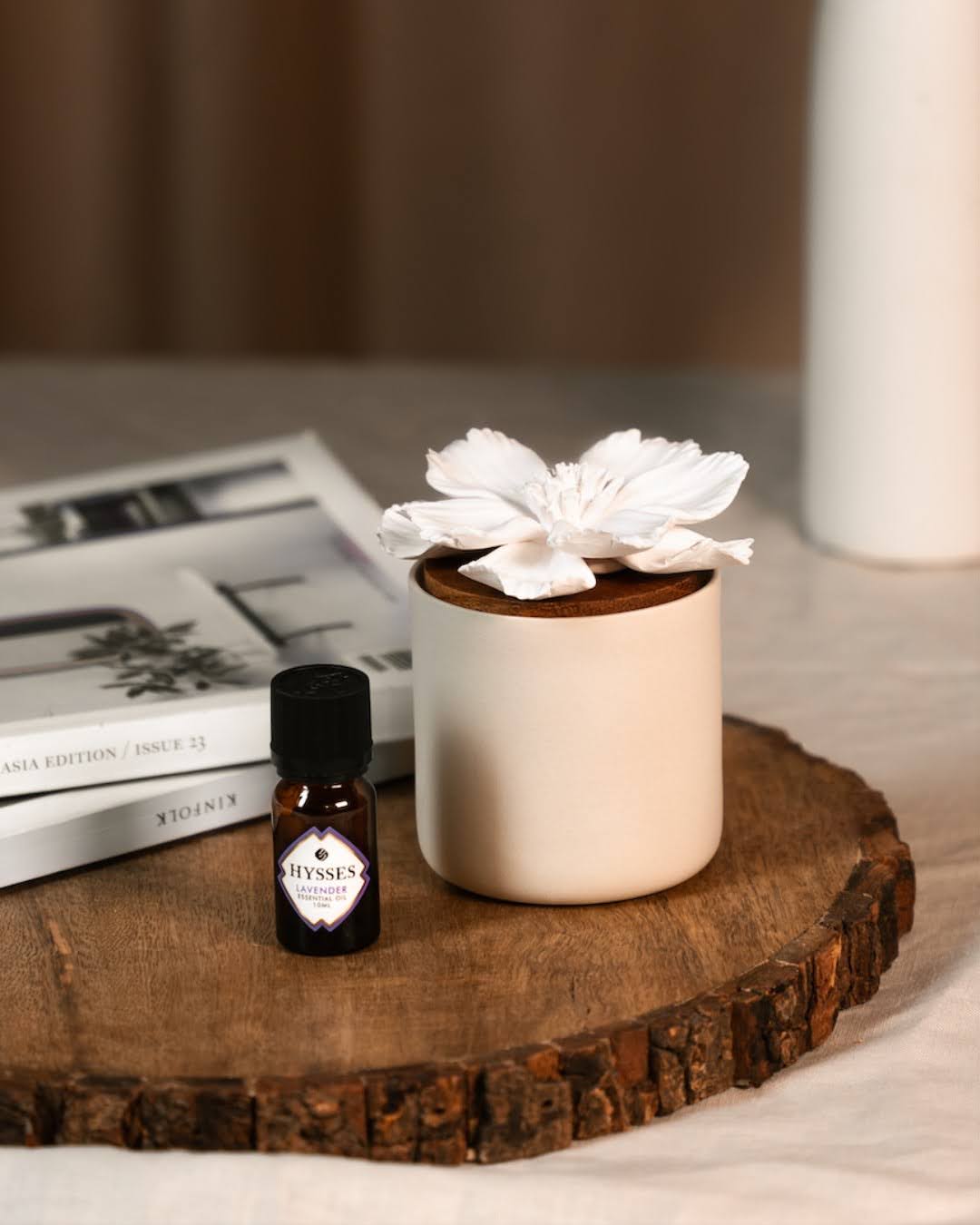
Creating a calm and inviting environment at home or work has never been more essential. In today’s fast-paced world, a well-chosen diffuser paired with high-quality essential oils can transform any space into a sanctuary for relaxation, focus, or rejuvenation. Whether your goal is to unwind after a long day, boost productivity during work, or simply enjoy the comforting aromas of nature, understanding how to use a diffuser correctly ensures you get the most out of your aromatic rituals.
What Exactly Is a Diffuser, and Why Does It Matter?
A diffuser is far more than a decorative accessory. It’s a wellness tool that disperses essential oils into the air, allowing you to enjoy their therapeutic and sensory benefits. Depending on the essential oils used, diffusion can help:
-
Reduce daily stress and promote emotional balance
-
Support better focus and cognitive clarity
-
Purify indoor air naturally
-
Encourage restful sleep through calming aromas
-
Provide respiratory comfort by dispersing refreshing oils like Eucalyptus and Tea Tree
“When diffused correctly, pure essential oils can transform an environment, emotionally and physically,” says Cheryl Gan, Founder and Managing Director of HYSSES. “Choosing the right diffuser and using it properly ensures the natural potency of our oils is fully experienced.”
According to a 2020 study published in the Journal of Environmental Health Research, diffusing essential oils such as Lemongrass and Tea Tree can reduce airborne bacteria levels, contributing to healthier indoor air.
Learn more in The Ultimate Guide to Oil Diffusers: Types, Uses, and Benefits.
Navigating the Diffuser Landscape
Understanding the different types of diffusers helps you select the perfect one for your lifestyle and space. At Hysses, we offer a curated range to suit every need:
1. Ultrasonic Diffusers
These use ultrasonic vibrations to disperse a fine, cool mist of water and essential oils into the air. They double as humidifiers, making them ideal for bedrooms, offices, and living rooms. Ultrasonic diffusers are whisper-quiet and often feature soft lighting to create a serene atmosphere. Explore Diffusers Collection
2. Nebulising Diffusers
Nebulisers use pressurised air to atomise pure essential oil - no water required, producing a concentrated mist that preserves the oils’ full therapeutic profile. They’re ideal for larger spaces or when you want a stronger aromatherapeutic effect. Regular upkeep with Nebuliser Cleaning Solution ensures optimal performance.
3. Heat Diffusers (Evaporative)
These use gentle warmth, often from candles or electricity, to evaporate oils into the air. While visually soothing, low heat is recommended to maintain the integrity of delicate oils such as Citrus or Lavender.
4. Reed Diffusers
A passive, flame-free option. Natural rattan reeds wick essential oil blends into the air continuously, offering elegant and low-maintenance scenting. Perfect for entryways, bathrooms, and workspaces.
5. Evaporative (Non-Heat) Diffusers
These typically use a fan to blow air across a pad infused with essential oil. They’re portable, simple to operate, and great for desks or travel.
How to Use a Diffuser: Step-by-Step Guide
Regardless of the diffuser type, the core principles for safe and effective diffusion remain the same:
1. Location Matters
-
Place your diffuser on a stable, elevated surface (like a shelf or table) for optimal scent circulation.
-
Keep it away from direct sunlight, heat sources, and strong drafts.
-
Ensure good ventilation and keep it out of reach of children and pets.
2. Water Wisdom (for Ultrasonic Diffusers)
-
Fill the reservoir to the indicated line with filtered or distilled water to prevent mineral buildup.
-
Avoid hot water, which can damage the device.
-
Use clean, room-temperature water for consistent mist output.
3. Add Essential Oils
Use 3–5 drops per 100 ml of water, adjusting for room size and personal preference.
Recommended Hysses Essential Oils:
-
Lavender Essential Oil - Calming, promotes better sleep
-
Lemongrass Essential Oil - Fresh, cleansing, and uplifting
-
Ylang Ylang Essential Oil - Floral, sensual, and soothing
-
Sandalwood Essential Oil - Woody and grounding
-
Eucalyptus Essential Oil - Clears the airways and refreshes the senses
Shop Essential Oils
4. Seal and Select Settings
Close the reservoir securely, then choose your settings. Intermittent mode (e.g., 30 seconds on / 30 seconds off) helps conserve oils and prevents olfactory fatigue, while continuous mode provides a steady aromatic flow.
5. Power On & Enjoy
Switch it on and allow the natural aromas to envelop your space.
6. Post-Use Care
-
Always unplug the diffuser after use.
-
Empty any remaining water and wipe dry with a soft cloth.
-
Clean regularly with mild detergent and water.
For nebulisers, rinse periodically with Nebuliser Cleaning Solution.
Safety Considerations: Can You Sleep with a Diffuser On?
Yes, when done correctly. Ultrasonic and nebulising diffusers with timers or intermittent modes are generally safe for overnight use.
Best Practices for Night Diffusion:
-
Set your diffuser to run for 30–60 minutes as you drift off.
-
Use calming oils like Lavender, Frankincense, or Marjoram.
-
Avoid stimulating oils such as Peppermint or strong citrus before bed.
-
Keep the diffuser a safe distance from your bed and ensure light ventilation.
Explore the Benefits of using a Car Diffuser and Recommended Products for travel-friendly options.
Final Thoughts
Mastering diffuser use unlocks the full potential of essential oils — enhancing mood, air quality, and overall well-being. By choosing the right diffuser, using high-quality HYSSES essential oils, and following proper techniques, you can create a daily aromatic ritual that supports both body and mind.
Discover more in Where to Buy Essential Oils and Diffusers: A Shopper’s Guide.
Frequently Asked Questions (FAQs)
1. How long should I run a diffuser?
For most spaces, 30–60 minutes per session is ideal. Prolonged continuous use may desensitise your sense of smell. (Harvard Health Publishing, 2022)
2. How much essential oil should I use?
Add 3–5 drops per 100 ml of water, adjusting for room size and oil potency.
3. Can I use any water in my diffuser?
Filtered or distilled water is best to avoid mineral buildup and device damage.
4. Are all essential oils suitable for overnight use?
No. Choose calming oils like Lavender or Frankincense. Avoid stimulating or menthol-rich oils at bedtime.
5. How often should I clean my diffuser?
After every use, or at least once a week, to maintain performance and aroma quality.
Disclaimer
This guide is intended for educational and informational purposes only and should not be considered medical advice. Always consult a qualified healthcare practitioner before using essential oils if you are pregnant, nursing, or have any medical conditions.
References
-
Journal of Environmental Health Research. (2020). Effect of essential oil diffusion on indoor air quality.
-
Tisserand, R. & Young, R. (2014). Essential Oil Safety: A Guide for Health Care Professionals. Elsevier.
-
Harvard Health Publishing. (2022). The Benefits of Aromatherapy.
-
Hysses Singapore Product Development Insights (2025).

Share:
Create Your Own Massage Oil Blend | Ingredients & Recipes
Bergamot