

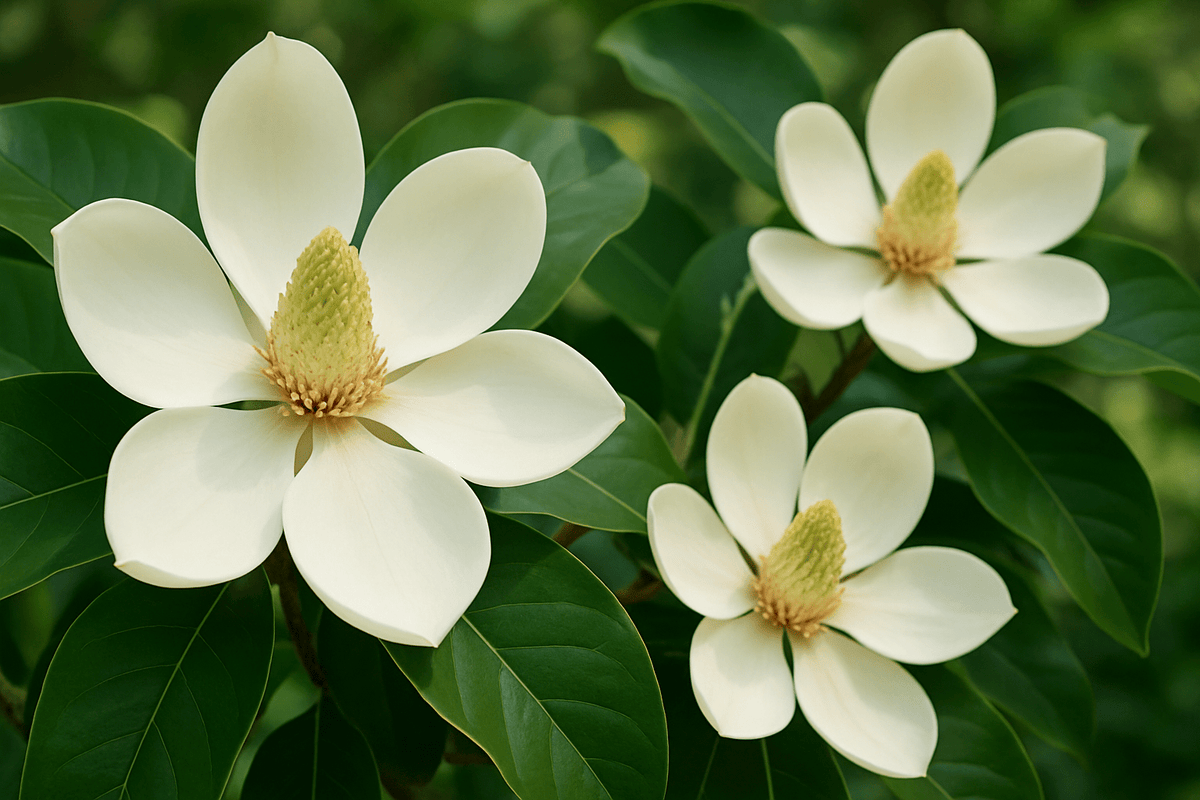
Singapore is often described as a Garden City, and its relationship with greenery is impossible to miss. From tree-lined streets and public parks to botanical collections, rooftop gardens and nature reserves, plants are woven into the visual identity of everyday life.
But Singapore's relationship with plants is not only something to see. It is also something to smell.
The sweetness of flowers, the green aroma of leaves after rain, the earthy character of roots and woods, and the familiar fragrance of plants used in Southeast Asian homes and kitchens all contribute to a distinctive sensory landscape.
For HYSSES, this connection between scent, nature and place is particularly meaningful. The brand's aromatherapy philosophy has long been rooted in botanical ingredients and the idea of bringing nature into everyday rituals. HYSSES describes its approach as drawing on ingredients from native environments where they thrive, while combining Eastern and Western botanical traditions. But there is an important distinction worth making.
Not every tropical plant associated with Singapore is technically native to Singapore. Some, such as pandan, have a Southeast Asian native distribution, while commonly cultivated jasmine and frangipani varieties found across Singapore are horticultural introductions.
That does not make them any less relevant to Singapore's fragrance identity. In fact, it makes the story more interesting.
Singapore's scent identity is shaped not only by what grows naturally on the island, but also by the plants cultivated here, ingredients used throughout Southeast Asia, cultural traditions carried across generations, and the city's evolving relationship with fragrance.
This is the botanical world that helps inform the sensorial philosophy behind HYSSES.
Singapore: A City Where Nature Is Part of Everyday Life
Singapore's modern identity is inseparable from its greenery. The city-state has deliberately incorporated vegetation into its urban environment, creating a landscape where dense development exists alongside parks, gardens, roadside plantings and nature reserves.
Places such as the Singapore Botanic Gardens and Gardens by the Bay have become internationally recognised examples of how plants can be integrated into an urban environment.
And this relationship with greenery extends beyond major attractions. Plants are part of neighbourhoods, homes, food traditions and cultural spaces. Some are grown for beauty; others for fragrance, cooking, ceremonies or practical household use.
That creates an environment where botanical familiarity can be deeply sensory. A plant does not necessarily need to be native to Singapore to become part of the country's lived botanical identity. Pandan is a good example.
According to Singapore's National Parks Board, Pandanus amaryllifolius has a Southeast Asian native distribution and is very common in Singapore. Its fragrant leaves are widely used in Southeast Asian food, while the plant itself is also cultivated as an ornamental and fragrant species.
This is exactly the kind of distinction that makes Singapore's fragrance story so compelling: botanical identity is shaped by both ecology and culture.
From Botanical Landscape to Fragrance Identity
Fragrance has always been closely connected to memory and place. The smell of pandan may evoke a childhood kitchen. Jasmine may recall a garden or ceremonial setting. Frangipani can bring to mind tropical streets and gardens. Lemongrass may immediately suggest Southeast Asian cooking.
These associations turn botanical ingredients into something more than raw materials. They become scent memories.
HYSSES has explored this idea explicitly through its Aroma Voyage collection, which translates different Asian destinations into fragrance narratives. Its Singapore-inspired scents include Arab Street and Marina Bay Sands, while the wider collection draws on places including Kyoto, Java and Phuket.
The concept is simple but powerful: A place can be remembered through scent. And scent can become a way of telling a story about a place.
The Tropical Notes That Help Define Southeast Asian Scent
Singapore does not have one single fragrance. Instead, its aromatic identity can be understood through a combination of flowers, leaves, grasses, woods and other botanical materials that are cultivated locally or deeply embedded in the wider Southeast Asian region.
Pandan: A Familiar Green Signature
Pandan may be better known as a culinary ingredient than a perfumery material, but its fragrance is instantly recognisable across much of Southeast Asia.
Its leaves have a distinctive green, sweet and aromatic character that is closely associated with desserts, rice dishes, drinks and household traditions.
NParks notes that pandan is commonly grown in Singapore and that its leaves are used to add fragrance to teas, desserts, rice dishes and other foods.
HYSSES recently brought this familiar Southeast Asian scent into a distinctly Singaporean storytelling context through its Mercat collection.
The three Mercat characters share a Pandanus Lily scent that combines the grassy sweetness of pandan with white-floral Lily Absolute. The collection connects the scent to different Singapore-inspired characters and locations, including Gardens by the Bay and other cultural landmarks.
Discover the HYSSES Mercat Story
Here, pandan becomes more than an ingredient. It becomes a memory of a place.
Jasmine: A Floral Familiarity Across Asia
Jasmine has a long history across South and Southeast Asian cultures, particularly in fragrance, ceremonial practices and ornamental gardening.
But it is important not to describe Jasmine sambac as a native Singaporean plant. NParks identifies common cultivated varieties of Jasminum sambac as non-native to Singapore, with India listed as the native distribution.
Its importance to Singapore's fragrance landscape therefore comes less from being indigenous and more from being cultivated, recognised and culturally embedded within the region.
Its intensely fragrant white flowers make jasmine a natural part of the region's sensory vocabulary.
HYSSES incorporates jasmine into several fragrance compositions, including its Aroma Voyage Arab Street fragrance, where jasmine appears alongside bergamot and other aromatic notes.
Explore HYSSES' Botanical Perfume Collection
Frangipani: The Tropical Garden Impression
Few flowers communicate "tropical garden" as immediately as frangipani. Its soft, sweet floral character is familiar throughout Singapore and across tropical Asia.
But again, the botanical story is more nuanced than the phrase "Singapore native" suggests. NParks identifies cultivated Plumeria varieties in Singapore as non-native horticultural plants.
That does not diminish their importance to the visual or sensory landscape. Frangipani has become part of the tropical garden experience, demonstrating how cultivated plants can become culturally familiar even when they are not indigenous.
Lemongrass: Bright, Green and Familiar
Lemongrass may be one of the clearest examples of a plant where culinary, cultural and aromatic identities overlap.
NParks notes that lemongrass has a lemony scent and that essential oils extracted from its leaf stalks are used in perfumes, cosmetics, skincare and aromatherapy.
HYSSES currently offers Lemongrass Essential Oil, describing its scent profile as citrus and herbal. The product is steam-distilled from Cymbopogon citratus sourced from Thailand.
Discover HYSSES Lemongrass Essential Oil
This is a useful example of how HYSSES' fragrance philosophy extends beyond strictly Singaporean plants.
The brand's relationship with Southeast Asia is not about claiming that every botanical originates in Singapore. It is about working with botanical ingredients according to where they naturally thrive and bringing their character into modern scent rituals.
Vetiver: The Earthier Side of Tropical Fragrance
Where floral notes can feel airy and expressive, vetiver introduces something deeper.
Its root-derived aroma is earthy, smoky, woody and complex, making it particularly useful as a grounding base note in fragrance compositions.
HYSSES' Vetiver Essential Oil is sourced from India rather than Singapore, an important distinction that reinforces why this article is better framed around Singapore's regional fragrance philosophy rather than a catalogue of native Singaporean ingredients.
Explore HYSSES Vetiver Essential Oil
This combination of ingredients from different parts of Asia reflects something important about Singapore itself.
Singapore has historically been a meeting point for cultures, people, trade routes and ideas. Its fragrance identity can be understood in much the same way.
HYSSES: Where Botanical Ingredients Meet Cultural Storytelling
HYSSES' relationship with scent is not limited to individual essential oils. The brand also uses fragrance to create experiences around place, memory and everyday rituals.
Its Aroma Voyage collection is perhaps one of the clearest examples. The collection includes Singapore-inspired fragrances such as Arab Street and Marina Bay Sands alongside scents inspired by Kyoto, Java and Phuket. HYSSES describes the series as a way to "Scent the Memory, Feel the Journey", turning fragrance into a sensory interpretation of destination.
This is an important part of HYSSES' fragrance philosophy. The goal is not simply to make something smell pleasant. It is to give scent a sense of narrative. A fragrance can suggest a garden, a street, a journey, a memory or a particular time of day.
HYSSES' more recent Mercat collection takes this even further, using Pandanus Lily as a common scent thread while giving each character a different Singapore-inspired story.
From Essential Oils to Everyday Self-Care
The connection between botanicals and self-care is not new to Southeast Asia. Across the region, plants have traditionally been incorporated into food, bathing, massage, beauty rituals, household practices and ceremonies.
However, it is important to avoid presenting every traditional botanical practice as a medically proven treatment.
A more useful way to understand these traditions is through their sensory and cultural significance. A fragrant plant can make a bath feel more intentional. An aromatic oil can transform a massage into a ritual. A scented room can change the atmosphere of an evening.
And a familiar botanical aroma can reconnect someone with a memory of home. This is where modern aromatherapy and traditional botanical culture can meet without needing to make exaggerated therapeutic claims.
HYSSES' own approach to aromatherapy similarly emphasises incorporating scent into everyday routines, from essential oils and diffusers to body care and home fragrance.
Read HYSSES' Guide to Aromatherapy in Singapore
Tropical Fragrance Is About More Than "Tropical"
The phrase "tropical fragrance" can sometimes become shorthand for anything bright, floral or exotic. But Southeast Asian fragrance traditions are far more complex than that.
There are:
-
Green, leafy aromas
-
Sweet tropical florals
-
Citrus and herbal notes
-
Deep woods
-
Earthy roots
-
Warm resins
-
Spices
-
Familiar culinary botanicals
Together, these create layers. A fragrance can begin with something bright and green, develop into a soft floral heart and settle into an earthy or woody base.
This layering is part of what gives botanical fragrance its complexity. HYSSES' wider home-scent range reflects this diversity, working with aromatic families including Citrus, Floral, Woody and Camphorous notes.
Bringing Southeast Asian Botanicals Into Everyday Rituals
You do not need an elaborate wellness routine to experience the relationship between scent and place.
Start the Morning With Fresh Notes
A bright botanical such as Lemongrass can create a fresh aromatic environment at the beginning of the day.
HYSSES offers Lemongrass across several formats, including essential oil, room scent and home-scent products.
Explore the HYSSES Lemongrass Collection
Create an Evening Scent Ritual
Deeper notes such as Vetiver, Sandalwood or Frankincense can create a warmer, more reflective atmosphere.
The intention does not need to be complicated.
Diffuse a suitable aroma while reading, journaling or preparing for bed, following the product's instructions for safe use.
Bring Familiar Botanicals Into the Home
Pandan-inspired fragrance, floral notes and tropical botanical blends can add a distinctly Southeast Asian character to a living space.
This is where home fragrance becomes more than decoration.
It becomes part of the identity of a space.
HYSSES describes home scent in precisely these experiential terms, with Cheryl Gan noting:
“Home scent isn’t just fragrance, it’s an experience.”
Let Scent Become a Memory
One of the simplest ways to make fragrance meaningful is to associate it with a moment.
Use the same scent while journaling. Choose one for your morning routine. Keep another for quiet evenings. Over time, the fragrance itself may become associated with those moments.
A More Accurate Way to Think About HYSSES' Botanical Philosophy
HYSSES' relationship with Singaporean and Southeast Asian botanicals should not be reduced to the idea that the brand only uses plants native to Singapore. Its current products show a much richer picture.
Lemongrass in the HYSSES range is sourced from Thailand. Vetiver comes from India. Ylang Ylang is sourced from Madagascar.
At the same time, HYSSES continues to create distinctly Singaporean scent stories, such as its Arab Street and Marina Bay Sands fragrances and its Pandanus Lily Mercat collection.
That distinction actually strengthens the brand story. HYSSES is not simply bottling "Singaporean plants." It is interpreting Singapore and Asia through scent.
The result is a fragrance philosophy that can draw from botanicals across different origins while remaining connected to the cultural, sensory and geographical context of Singapore.
Fragrance as a Connection Between Nature and Place
Perhaps this is what makes Singapore such an interesting setting for a fragrance brand. It is a city where the natural and the urban exist side by side. Glass towers stand beside rain trees.
Modern shopping districts sit close to historic cultural neighbourhoods. Botanical gardens exist within a highly developed city. And familiar plant aromas move between kitchens, gardens, homes and commercial spaces.
For HYSSES, scent becomes one way of expressing this relationship. A fragrance can capture the green character of a botanical. A perfume can interpret a neighbourhood. A home scent can transform a room.
A scented object can become a souvenir of a place. And an essential oil can become part of an everyday ritual.
Final Thoughts: A Fragrance Identity Rooted in Place
Singapore's fragrance identity cannot be reduced to a list of native plants. It is more layered than that.
It is shaped by the country's tropical environment, cultivated gardens, Southeast Asian botanical traditions, multicultural heritage, trade connections and the memories people attach to familiar aromas.
Pandan may evoke the kitchen. Jasmine may evoke flowers and ceremony. Frangipani may evoke a tropical garden. Lemongrass may recall Southeast Asian food and freshness.
Vetiver may bring depth and earthiness. And carefully composed fragrance can bring several of these sensory impressions together. This is where HYSSES' approach becomes particularly interesting.
Rather than treating "tropical" as a generic aesthetic, HYSSES uses scent to tell stories about place, memory, nature and experience—from Singapore's Arab Street and Marina Bay Sands to Gardens by the Bay-inspired Mercat characters and the wider Asian destinations explored through Aroma Voyage.
The result is not simply fragrance inspired by the tropics. It is a fragrance as a way of remembering them.
And perhaps that is the most meaningful role scent can play: not simply making a space smell beautiful, but giving us a sensory way to connect with the places, cultures and botanical traditions that inspire us.
Frequently Asked Questions
1. Are all botanicals used in HYSSES products native to Singapore?
No. HYSSES sources botanicals from different regions according to the ingredients and their natural growing environments. For example, its Lemongrass Essential Oil is sourced from Thailand, Vetiver from India and Ylang Ylang from Madagascar.
2. What botanicals are associated with Singapore's fragrance identity?
Pandan, jasmine, frangipani and other aromatic plants are familiar parts of Singapore's cultivated and cultural landscape. However, they should not all be described as native Singaporean species. Pandan has a Southeast Asian native distribution, while commonly cultivated jasmine and frangipani varieties are non-native horticultural plants in Singapore.
3. What makes HYSSES' fragrance philosophy different?
HYSSES combines botanical ingredients with storytelling and sensory experiences. Its fragrance collections often connect scent with destinations, memories and cultural narratives, as seen in Aroma Voyage and the Mercat collection.
4. Does HYSSES use pandan in its fragrances?
Yes. HYSSES' 2026 Mercat collection uses a Pandanus Lily accord combining the green sweetness of pandan with Lily Absolute. The collection was created around Singapore-inspired characters and places.
5. How can I bring Southeast Asian-inspired fragrance into my home?
Start with an aromatic profile you enjoy. Lemongrass can provide a bright citrus-herbal character, while deeper notes such as Vetiver or Sandalwood can create a warmer atmosphere. You can explore essential oils, diffusers, room scents and other HYSSES home-fragrance formats depending on your preferred ritual.
Disclaimer
This article is intended for general educational and lifestyle purposes only. Descriptions of traditional botanical uses and cultural associations do not constitute medical advice or establish that an essential oil or botanical can treat, prevent or cure a medical condition.
Essential oils are highly concentrated botanical products and should be used according to product-specific instructions. Dilute essential oils appropriately before topical application, avoid contact with the eyes and do not ingest them unless specifically directed by a qualified professional and the product is expressly intended for that use.
Individuals who are pregnant, breastfeeding, managing a medical condition, taking medication or using essential oils around children or pets should seek appropriate professional guidance before use.
References
HYSSES. Aromatherapy in Singapore.
Read HYSSES' Aromatherapy in Singapore Guide
HYSSES. HYSSES Introduces Mercat: A Collectible Scent Series Born for Singapore's 61st National Day.
Read the Mercat Story
HYSSES. HYSSES Unveils Aroma Voyage Perfume Series.
Read the Aroma Voyage Story
HYSSES. How HYSSES Home Scent Products Elevate Everyday Living.
Read HYSSES' Home Scent Guide
HYSSES. Lemongrass Essential Oil.
Explore HYSSES Lemongrass Essential Oil
HYSSES. Vetiver Essential Oil.
Read HYSSES' Vetiver Guide
National Parks Board Singapore. Pandanus amaryllifolius.
View the NParks Pandan species profile
National Parks Board Singapore. Growing Five Culinary Herbs and Spices.
Read the NParks botanical guide
National Parks Board Singapore. Jasminum sambac.
View the NParks Jasmine profile
National Parks Board Singapore. Plumeria / Frangipani.
View the NParks Plumeria profile

Share:
Christmas Scented Candles for a Cosy Home This Season
How to Do Christmas Shopping on a Budget Without the Stress