

A sudden toothache or gum discomfort can make everyday moments painful. While visiting a dentist is important for serious issues, essential oils provide gentle, natural relief that targets oral pain, reduces bacteria, and freshens breath. Peppermint oil is particularly effective, offering a cooling, soothing sensation while helping fight bacteria that cause bad breath. Incorporating it into your oral care routine can ease discomfort, calm inflamed gums, and support overall dental hygiene.
Understanding the Roots of Toothaches
A toothache often signals an underlying issue such as enamel decay, inflamed gums, or an infection beneath the tooth. While dental treatments like drilling and fillings are often necessary, natural remedies can offer gentle, immediate relief. Essential oils, like peppermint, can help manage pain, reduce swelling, and curb bacterial growth, providing a complementary approach to traditional dental care. By targeting the root causes rather than just masking symptoms, these oils support oral health while keeping your smile comfortable and fresh.
Why Essential Oils Belong in Your Oral Care Kit
Essential oils are concentrated plant extracts that capture the therapeutic compounds of herbs, spices, and flowers. When used correctly, they provide antimicrobial, anti-inflammatory, and analgesic benefits, making them an effective addition to your oral care routine. Peppermint oil, for example, contains menthol, which can help soothe oral discomfort while leaving breath fresh.
By incorporating essential oils into daily oral hygiene practices, you can:
-
Reduce bacterial growth that contributes to plaque and gum inflammation.
-
Calm swollen or irritated gums naturally.
-
Alleviate minor toothache pain without harsh chemicals.
When used alongside regular dental care, essential oils can offer gentle, complementary support, helping maintain oral health while reducing discomfort. Always follow proper dilution and safety guidelines to ensure effectiveness and minimize risks.
Top Essential Oils for Toothache Relief
Peppermint Oil: Cool Relief and a Minty Fresh Smile
Peppermint oil contains menthol, producing a cooling effect that eases pain and fights oral bacteria.
How to Use:
-
Topical Gel: Mix 2 drops of Peppermint Oil with 1 teaspoon of aloe vera gel and apply directly to the painful area.
-
Mouth Rinse: Add 1 drop to warm water, swish for 30 seconds, then spit out.
Peppermint also fights bad breath, making it a dual-purpose ingredient in your oral care routine.
Tea Tree Oil: Battling Oral Infections
Tea tree oil is prized for its broad-spectrum antibacterial and antifungal powers.
Benefits: Regular use can help control gingivitis, reduce plaque, and combat oral thrush.
Dilution & Use: Mix 1 drop of tea tree oil with 1 teaspoon of carrier oil. Gently massage gums and tooth surfaces, or add to your DIY mouthwash (1 drop per ¼ cup water).
Warnings: Never swallow tea tree oil. It can be toxic if ingested in large amounts. Perform a patch test on your inner forearm to check for sensitivity before using it in the mouth.
Eucalyptus Oil: Calm Inflammation, Reduce Pain
Eucalyptus oil contains eucalyptol, which reduces gum swelling and soothes discomfort.
How to Use:
-
Mouth Rinse: Add 1 drop to ½ cup warm water and swish for one minute.
-
Localized Relief: Dilute 1 drop in 1 teaspoon of carrier oil and apply with a cotton swab to irritated gums.
Eucalyptus oil can be a gentle way to complement a dentist’s treatment plan for swollen gums or early-stage infections.
Lavender Oil: Soothing the Mind and Mouth
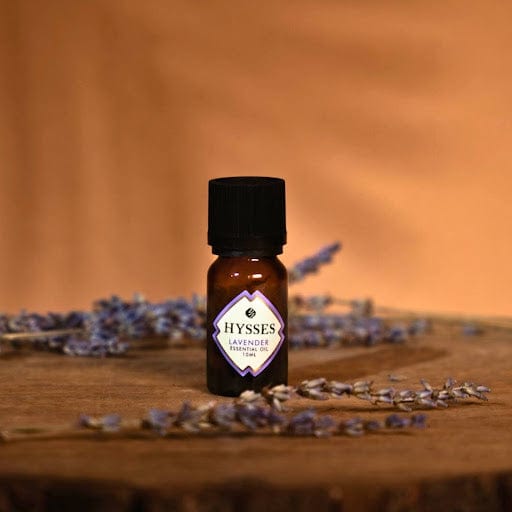
Lavender oil provides mild pain relief and calming effects that relax tense jaw muscles and reduce dental anxiety.
How to Use:
Mix 2 drops of lavender oil with 1 teaspoon of sweet almond oil. Massage over the jawline or cheekbone near the affected area.
Precaution: Perform a patch test before use to avoid allergic reactions.
By addressing dental anxiety along with discomfort, lavender oil makes the experience less daunting for anxious patients.
How to Use Essential Oils for Dental Pain
Topical Application:
Dilute 1–2 drops of your chosen essential oil in at least 1 teaspoon of carrier oil (coconut, olive, or sweet almond). Apply directly to the affected tooth or gum using a cotton swab.
For example, Peppermint Oil combined with a carrier oil can help soothe pain and freshen breath.
Oil Pulling:
Swish 1 tablespoon of coconut oil mixed with 2 drops of peppermint oil in your mouth for 10–15 minutes. This helps pull bacteria and toxins away from teeth and gums. Spit into the trash (not the sink) and rinse with warm water.
DIY Mouth Rinse:
Combine the following in a cup of warm water:
-
1 drop Tea Tree Oil
-
1 drop Eucalyptus Oil
-
½ teaspoon salt
Swish for 30–60 seconds, then spit out. This rinse harnesses the antimicrobial and anti-inflammatory properties of essential oils to ease discomfort and reduce bacteria.
Safety First: Precautions for Essential Oil Use
-
Proper Dilution: Never apply undiluted essential oil directly to oral tissues. A 1:3 ratio or greater with a carrier oil prevents irritation or burns.
-
Patch Test: Place a small diluted drop on the inner forearm and wait 24 hours to check for redness or itching.
-
Allergies & Interactions: Consult a healthcare provider if you’re pregnant, nursing, or on medication, as some oils may interact with blood thinners.
-
Children & Pets: Keep essential oils out of reach. Only child-safe oils should be used under pediatric guidance.
Other Home Remedies to Complement Essential Oils
-
Coconut Oil Pulling: Swish 1 tablespoon daily for 10 minutes to reduce plaque and whiten teeth naturally.
-
Saltwater Rinse: Dissolve ½ teaspoon of salt in 8 ounces of warm water. Swish for one minute to combat bacteria and reduce swelling.
-
Cold Compress: Apply an ice pack or cold cloth to the cheek over the sore area for 10 minutes to numb the pain.
Essential Oils for Halitosis (Bad Breath)
-
Peppermint Oil: 1 drop in water, swish for 30 seconds.
-
Tea Tree & Cinnamon Combo: Mix 1 drop of tea tree oil, 1 drop of cinnamon oil, and ½ teaspoon baking soda in water. Swish, then rinse.
DIY Mouthwash Recipe:
-
¼ cup distilled water
-
½ teaspoon coconut oil
-
1 drop Peppermint Oil
-
1 drop Tea Tree Oil
Swish for 60 seconds to reduce odor-causing bacteria and leave a minty finish.
When to See a Dentist
Home remedies provide temporary relief, but consult a dentist if you notice:
-
Intense, persistent pain lasting more than two days
-
Swelling extending to the face or neck
-
Fever or difficulty swallowing/breathing
-
A loose filling or tooth
Embracing essential oils as part of your oral care routine offers a natural, gentle way to soothe discomfort, fight harmful bacteria, and keep breath fresh, whether you reach for peppermint’s cooling menthol, tea tree’s powerful antimicrobial action, or eucalyptus and lavender’s soothing benefits.
By following simple dilution guidelines, performing regular oil pulling or homemade rinses, and always consulting your dentist for persistent issues, you can confidently blend these time-honored remedies with modern dental care.
Ready to transform your dental routine? Visit HYSSES Singapore to discover our premium essential oil blends and oral care essentials, because every smile deserves natural relief, fresh breath, and lasting confidence.

Share:
The Art of Mixing and Diffusing Essential Oils - Expert Guide 2025
Natural Solutions: Essential Oils for Hair Growth