

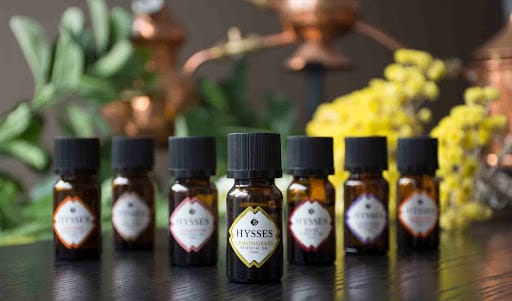
Aromatherapy is a simple way to make everyday moments feel more intentional. Whether you want to create a calming bedroom, refresh your living space or make your workspace feel more inviting, essential oils can become part of a thoughtful daily ritual.
Essential oils are concentrated aromatic extracts derived from plants. They are commonly used through diffusion, inhalation and appropriately formulated topical products.
HYSSES offers a wide selection of essential oils, including Lavender, Lemon, Bergamot, Lemongrass, Rosemary, Peppermint, Eucalyptus, Frankincense, Sandalwood and Ylang Ylang.
But which essential oils are best for everyday aromatherapy? The answer depends on your personal fragrance preferences, your environment and the atmosphere you want to create.
What Makes an Essential Oil Good for Everyday Aromatherapy?
An everyday essential oil should be versatile, pleasant and easy to incorporate into your routine.
When choosing one, consider:
-
Aroma: Choose between floral, citrus, herbal, woody or fresh scents.
-
Atmosphere: Think about whether you want a softer or more refreshing aroma.
-
Application: Consider whether you will use the oil in a diffuser or a properly formulated body-care product.
-
Quality: Choose clearly labelled products from a reputable aromatherapy brand.
-
Safety: Always follow product and diffuser instructions.
Explore the HYSSES Essential Oils Collection to discover different botanical aromas for your home and personal rituals.
Lavender: A Classic for Relaxation
Lavender is one of the most familiar essential oils in aromatherapy. Its soft floral and herbaceous aroma makes it particularly appealing for evening routines, quiet spaces and relaxation rituals.
Scientific research has also investigated the effects of lavender inhalation on anxiety. A 2023 systematic review by Yoo, O., & Park, S.-A. (2023), published in Healthcare, examined 11 studies involving 972 participants. Ten of the studies reported significantly reduced anxiety following lavender inhalation, although the researchers noted that further high-quality research is needed.
This evidence is promising, but aromatherapy should be considered a complementary wellness practice rather than a replacement for professional medical care.
For more information about this versatile botanical, read the HYSSES guide to Lavender Essential Oil.
Lemon: Bright and Refreshing
Lemon essential oil has a bright, sparkling citrus aroma that can make a room feel fresh and lively.
It works naturally in kitchens, living rooms and daytime spaces. Lemon can also be paired with rosemary to create a crisp citrus-herbal aroma.
For a simple morning ritual, diffuse lemon according to your diffuser's instructions and enjoy its fresh aromatic character as you begin your day.
Peppermint: Cool and Invigorating
Peppermint has a distinctive cool and minty aroma. Its stronger character makes it particularly suitable for people who prefer crisp, refreshing scents.
Try peppermint during daytime routines or in a home office when you want a pronounced fresh aroma.
Because peppermint has a strong aromatic profile, there is no need to use excessive amounts. Always follow the recommended quantity for your diffuser.
You can also experience peppermint through HYSSES' formulated body-care products. Explore the HYSSES Body Wash Collection for aromatic options including Ginger Peppermint Body Wash.
Eucalyptus: Fresh and Spa-Inspired
Eucalyptus is known for its distinctive fresh aroma and is often associated with spa-inspired environments.
It can work beautifully in bathrooms, relaxation areas and shared spaces. Pairing eucalyptus with rosemary creates a fresh herbal profile, while adding a citrus oil such as lemon can give the blend a brighter character.
For more information, explore the HYSSES Amazing Eucalyptus Oil Benefits You Need to Know.
It is important, however, not to confuse a refreshing aroma with a medical treatment. Essential oils should not be presented as cures for respiratory infections or other medical conditions.
Rosemary: Crisp and Herbaceous
If you prefer green, herbal aromas, rosemary is an excellent choice.
Its crisp character fits naturally into morning routines and daytime spaces. It can also be blended with lemon for a bright botanical aroma.
Research by Moss, M., et al. (2003), has explored how rosemary and lavender aromas may influence mood and cognitive performance. In a study involving 144 healthy participants, researchers found that the two aromas produced different effects on cognitive performance and mood.
The study found measurable differences between the aromas, but this does not mean rosemary essential oil should be regarded as a treatment for concentration or cognitive disorders.
Bergamot: Soft, Fresh and Versatile
Bergamot offers a rounded citrus aroma that sits comfortably between bright citrus and softer aromatic notes.
Its versatility makes it suitable for living areas, bedrooms and personal relaxation rituals.
Try pairing bergamot with lavender for a soft floral-citrus aroma or with ylang ylang for a richer floral profile.
Ylang Ylang: Rich and Floral
Ylang ylang provides a fuller, more exotic floral aroma.
Its rich character makes it particularly appealing for evening routines and self-care moments. Pair it with bergamot for a balanced citrus-floral profile or sandalwood for greater warmth and depth.
Because ylang ylang has a naturally pronounced aroma, start with a modest amount when creating blends.
Choosing Essential Oils for Different Times of Day
There is no single essential oil that is “best” for everyone. Instead, choose according to the atmosphere you want.
Morning: Lemon or Rosemary can provide bright citrus or herbal character.
Daytime: Peppermint or Eucalyptus offers a distinctly fresh aromatic experience.
Evening: Lavender or Bergamot provides a softer fragrance profile.
Self-care: Ylang Ylang or Sandalwood adds warmth and richness.
The most important consideration is whether you genuinely enjoy the aroma. Aromatherapy should feel like a pleasurable ritual, not another obligation.
How to Use Essential Oils at Home
Diffusion is one of the easiest ways to incorporate essential oils into everyday life.
HYSSES offers different diffusion options, including nebulisers and ultrasonic diffusers. Each technology works differently, so always follow the instructions provided with your particular device.
If you are deciding which diffuser is right for your space, read the HYSSES guide, The Ultimate Guide to Essential Oil Diffusers.
For those interested in nebulisation, HYSSES also explains the difference between diffusion technologies in Nebuliser vs Ultrasonic Mist Diffuser.
Can You Blend Essential Oils?
Yes. Blending allows you to create a more personalised aromatic experience.
Try these HYSSES-friendly combinations:
-
Lavender + Bergamot: Soft floral and rounded citrus notes.
-
Lemon + Rosemary: Bright citrus with crisp herbal depth.
-
Peppermint + Eucalyptus: Cool, fresh and invigorating.
-
Bergamot + Ylang Ylang: Smooth citrus combined with rich floral notes.
-
Frankincense + Sandalwood: Warm, woody and balsamic.
Start with small quantities and adjust gradually. Stronger-smelling oils can easily dominate a blend.
Essential Oil Safety Comes First
Essential oils are highly concentrated botanical materials. “Natural” does not automatically mean that an oil is suitable for everyone or every method of use.
For responsible everyday use:
-
Follow the manufacturer's instructions.
-
Do not ingest essential oils unless specifically advised by an appropriately qualified professional.
-
Do not apply undiluted essential oils directly to the skin.
-
Keep essential oils away from children's reach.
-
Take additional care around pregnancy, pets and people with sensitivities.
-
Store oils tightly closed in a cool place away from excessive heat and direct sunlight.
HYSSES' own Lavender Essential Oil guidance also recommends dilution for topical use and advises appropriate caution around children, pregnancy and pets.
Keep Your Diffuser Clean
Regular diffuser maintenance is an important part of an enjoyable aromatherapy routine.
Oil residue can accumulate inside diffusion equipment, affecting performance and scent. HYSSES offers a dedicated Cleaning Solution for maintaining suitable aromatherapy equipment.
If you use a nebuliser, read HYSSES' guide on How to Use an Aroma Nebuliser for practical guidance.
Build Your Everyday Aromatherapy Collection
You do not need dozens of essential oils to get started.
A simple collection could include:
-
Lavender — soft and floral
-
Lemon — bright and citrusy
-
Rosemary — crisp and herbal
-
Peppermint — cool and minty
-
Bergamot — fresh and rounded
-
Eucalyptus — fresh and spa-inspired
-
Ylang Ylang — rich and floral
-
Frankincense or Sandalwood — warm and woody
As your preferences develop, explore the wider HYSSES Essential Oils Collection and experiment with different aromatic combinations.
For a broader look at the science behind aromatherapy, continue with Aromatherapy: Do Essential Oils Really Work?.
The best essential oil for everyday aromatherapy is ultimately the one that suits your preferences, routine and environment.
Lavender can bring a soft floral quality to an evening ritual, lemon adds brightness, peppermint and eucalyptus offer fresh aromatic character, rosemary brings herbal depth, bergamot provides rounded citrus notes and ylang ylang adds rich floral warmth.
Start with a few scents you genuinely enjoy, use them responsibly and gradually build a personalised aromatherapy ritual.
Explore the HYSSES Essential Oils Collection and discover aromas designed to bring nature into everyday living.
Frequently Asked Questions
1. What is the best essential oil for everyday aromatherapy?
There is no universal answer. Lavender, lemon, rosemary, peppermint, eucalyptus and bergamot are versatile options, but personal preference should guide your choice.
2. Can lavender essential oil help with relaxation?
Research suggests lavender inhalation may have anxiety-reducing effects. A 2023 systematic review identified 11 clinical studies involving 972 participants, with 10 reporting reduced anxiety following lavender inhalation. (PubMed)
3. Can I blend different essential oils?
Yes. Blending oils such as lavender and bergamot or lemon and rosemary can create more complex aromas. Always start conservatively and follow appropriate product instructions.
4. Can I apply essential oils directly to my skin?
Pure essential oils should generally be diluted before topical application. Follow the specific instructions provided by the manufacturer or use a properly formulated topical product.
5. How should I use essential oils in a diffuser?
Use only the type and amount of oil recommended for your diffuser. Follow the manufacturer's operating instructions and maintain the device regularly.
6. Does research prove that essential oils treat medical conditions?
No. Research has investigated potential effects of aromatherapy, but evidence varies considerably by oil, method and condition. Essential oils should not replace professional medical treatment.
Disclaimer
This guide is intended for educational and informational purposes only and is not intended to diagnose, treat, cure, or prevent any disease or medical condition. Essential oils are highly concentrated botanical products and should be used responsibly and according to product-specific instructions. If you are pregnant, breastfeeding, taking medication, have a medical condition, allergies or sensitivities, or are unsure whether essential oils are appropriate for you or your family, consult a qualified healthcare professional before use. Keep essential oils away from children and pets and never ingest essential oils unless specifically advised by an appropriately qualified professional.

Share:
Elevate Your Everyday Space: Choosing the Right Home Fragrance for Every Room