

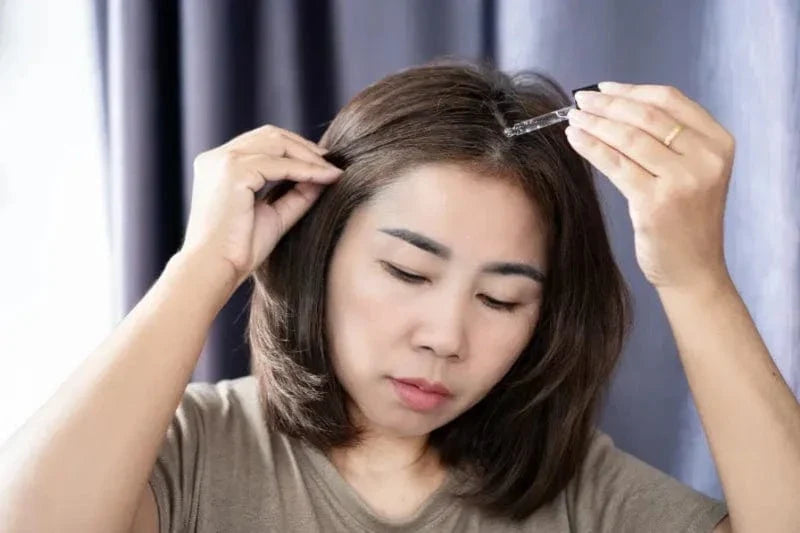
Busy work seasons can make self-care feel like another task on an already crowded schedule. Between early mornings, long commutes, deadlines, meetings and Singapore's humid environment, it is easy to focus on getting through the day while overlooking the small rituals that help you feel refreshed.
A work season wellness reset does not have to involve a complete lifestyle overhaul. Sometimes, it simply means returning to practical habits that support everyday comfort and confidence.
Scalp care is one of those habits.
While hair often receives most of the attention, the scalp is an important part of your hair-care routine. Regular, appropriate cleansing can help remove accumulated sebum, sweat and product residue, while the right products can make your hair feel fresher and easier to manage.
At HYSSES, this everyday ritual is approached through botanical hair care and essential-oil-inspired sensory experiences.
Why Scalp Care Matters During a Busy Work Season
Your scalp naturally produces sebum, and sweat, environmental particles and styling products can accumulate throughout the day. How often you should shampoo depends on factors such as your scalp's oiliness, hair type, lifestyle and environment.
According to Punyani, S., et al.(2021), “higher wash frequency is both beneficial and more preferred to lower wash frequency among the Asian populations studied.”
For a practical explanation of what happens when shampoo cleanses the scalp, explore HYSSES' How Does Shampoo Work? The Science Behind a Clean Scalp.
Confidence Begins with How You Feel
Confidence is not only about looking polished. It is also about feeling comfortable and prepared.
When your scalp and hair feel fresh, manageable and clean, you may spend less time worrying about oiliness, buildup or an uncomfortable scalp and more time concentrating on work, meetings and everyday interactions.
“Your scalp is an extension of your skin; it deserves the same level of care and respect.” — Cheryl Gan, Founder and Managing Director of HYSSES.
This philosophy is reflected in HYSSES' guide on How to Choose the Right Shampoo for Your Hair Type, which explains why shampoo selection should take your individual hair and scalp needs into consideration.
Choosing the Right HYSSES Shampoo
There is no single shampoo that is ideal for every scalp.
Someone with an oilier scalp may enjoy a fresher cleansing experience, while someone with dry or delicate-feeling hair may prefer a gentler routine.
The HYSSES Shampoo Collection includes botanical formulations featuring essential oils and aromatic profiles such as Lavender, Lemongrass, Peppermint, Rosemary, Geranium, Bergamot and Eucalyptus.
Different formulations offer different sensory experiences:
-
Lemongrass has a bright, fresh and invigorating aroma.
-
Peppermint creates a crisp, cooling sensory experience.
-
Lavender offers a soft floral aroma suited to a relaxing routine.
-
Eucalyptus and Rosemary create a fresh, herbaceous profile.
-
Bergamot and Geranium combine citrus and floral notes for an elegant everyday ritual.
For those interested in a microbiome-conscious approach to scalp care, HYSSES also offers the HYBiome Root Revival Shampoo, Rosemary Angelica.
What Does the Science Say About Shampoo?
Shampoo is primarily designed to cleanse. Its surfactants help lift oil, dirt and other residues from the scalp and hair so they can be rinsed away.
A study according to Gavazzoni Dias, M. F. R., et al. (2014), Alkaline pH may increase the negative electrical charge of the hair fiber surface and, therefore, increase friction between the fibers. This study also discussed how lower-pH formulations may help minimise some effects associated with hair-fibre friction and frizz.
This highlights why choosing hair-care products should involve more than simply selecting a fragrance you enjoy.
For more practical information, read HYSSES' How to Use Shampoo the Right Way for Maximum Results.
A Simple Scalp-Care Routine for Busy Workdays
The best routine is one you can realistically maintain.
1. Wet your hair thoroughly
Begin by thoroughly wetting your scalp and hair before applying shampoo. This helps prepare the hair for cleansing.
2. Massage gently
Apply an appropriate amount of shampoo and massage it gently into the scalp with your fingertips.
Avoid aggressively scratching with your nails.
3. Rinse thoroughly
Take time to rinse away the shampoo completely. This helps prevent an unwanted coated or heavy feeling.
4. Condition according to your hair needs
If your hair lengths need additional softness or manageability, follow cleansing with a suitable conditioner according to its directions.
5. Adjust your routine when necessary
Your scalp's needs can change depending on exercise, weather, styling habits and lifestyle.
Rather than following a rigid schedule, pay attention to how your scalp and hair respond.
What About Dandruff and an Itchy Scalp?
Flaking and itching can have several causes, so they should not automatically be attributed to dryness.
According to Satchell, A.C. et al. (2002), a clinical study investigated the effectiveness of a shampoo containing 5% tea tree oil for the treatment of mild-to-moderate dandruff. The researchers found that participants using the tea tree oil shampoo experienced a 41% improvement in their quadrant-area-severity score, compared with an 11% improvement among those using the placebo shampoo. The study concluded that the specific 5% tea tree oil formulation tested appeared to be effective and well tolerated in managing mild-to-moderate dandruff.
Turn Your Scalp Routine into a Wellness Ritual
A wellness reset is not only about what you do; it is also about how you experience it.
The aromatic character of botanical ingredients can make a simple shower feel more intentional. Peppermint and Lemongrass offer bright, refreshing aromatic profiles, while Lavender provides a softer floral experience.
For a wider aromatherapy ritual, explore the HYSSES Essential Oils Collection.
Remember, however, that essential oils are highly concentrated. They should not be applied undiluted to the scalp or skin unless a finished product has specifically been formulated and labelled for that purpose.
You can also extend your daily wellness routine with the HYSSES Body Wash Collection, creating a cohesive personal-care ritual from head to toe.
Your Work-Season Scalp-Care Checklist
Keep your routine simple:
-
Choose shampoo according to your scalp and hair needs.
-
Cleanse according to your lifestyle and scalp condition.
-
Massage gently with your fingertips.
-
Rinse thoroughly.
-
Avoid unnecessary product buildup.
-
Pay attention to changes in your scalp.
-
Make your shower routine a moment of self-care.
-
Seek professional advice if persistent scalp symptoms occur.
Consistency matters more than complexity.
A work-season wellness reset does not require dramatic changes.
Sometimes, confidence begins with small rituals that help you feel fresh, comfortable and ready for the day.
By paying attention to your scalp, choosing suitable hair-care products and creating a consistent cleansing routine, you can make scalp care a practical part of everyday wellness.
Explore the HYSSES Shampoo Collection and discover botanical hair-care options designed to bring cleansing and sensory wellness together.
For further reading, discover How Does Shampoo Work? The Science Behind a Clean Scalp and How to Choose the Right Shampoo for Your Hair Type.
Frequently Asked Questions
-
How often should I wash my hair?
There is no universal schedule. Washing frequency should take into account your scalp's oiliness, hair type, lifestyle and environment. Research among Asian populations found benefits associated with higher wash frequency, but individual needs still vary.
-
Does shampoo pH matter?
Research suggests that shampoo pH can influence the hair fibre, including friction and static.
-
Can tea tree oil help with dandruff?
A clinical trial found that a specific 5% tea tree oil shampoo improved mild-to-moderate dandruff compared with placebo. This evidence applies to the formulation studied and does not support applying undiluted tea tree oil directly to the scalp.
-
Should I massage my scalp when shampooing?
Gentle fingertip massage can help distribute shampoo across the scalp while making cleansing a more enjoyable part of your routine. Avoid scratching aggressively.
-
What should I do if my scalp stays itchy or flaky?
Persistent itching or flaking may have different causes. If symptoms continue, worsen or are accompanied by inflammation, sores or unusual hair loss, consult a dermatologist or qualified healthcare professional.
Disclaimer
This guide is intended for educational and informational purposes only and should not be considered medical advice, diagnosis or treatment. Individual scalp and hair needs vary. If you experience persistent or severe scalp symptoms, consult a dermatologist or qualified healthcare professional. Always follow the directions provided with individual HYSSES products and use essential oils according to appropriate safety and dilution guidance.

Share:
Essential Oils for Cold and Flu Relief: Breathe Easier, Naturally
From Morning Rush to All-Day Freshness: A Simple HYBiome Hair Care Routine for Busy Days