

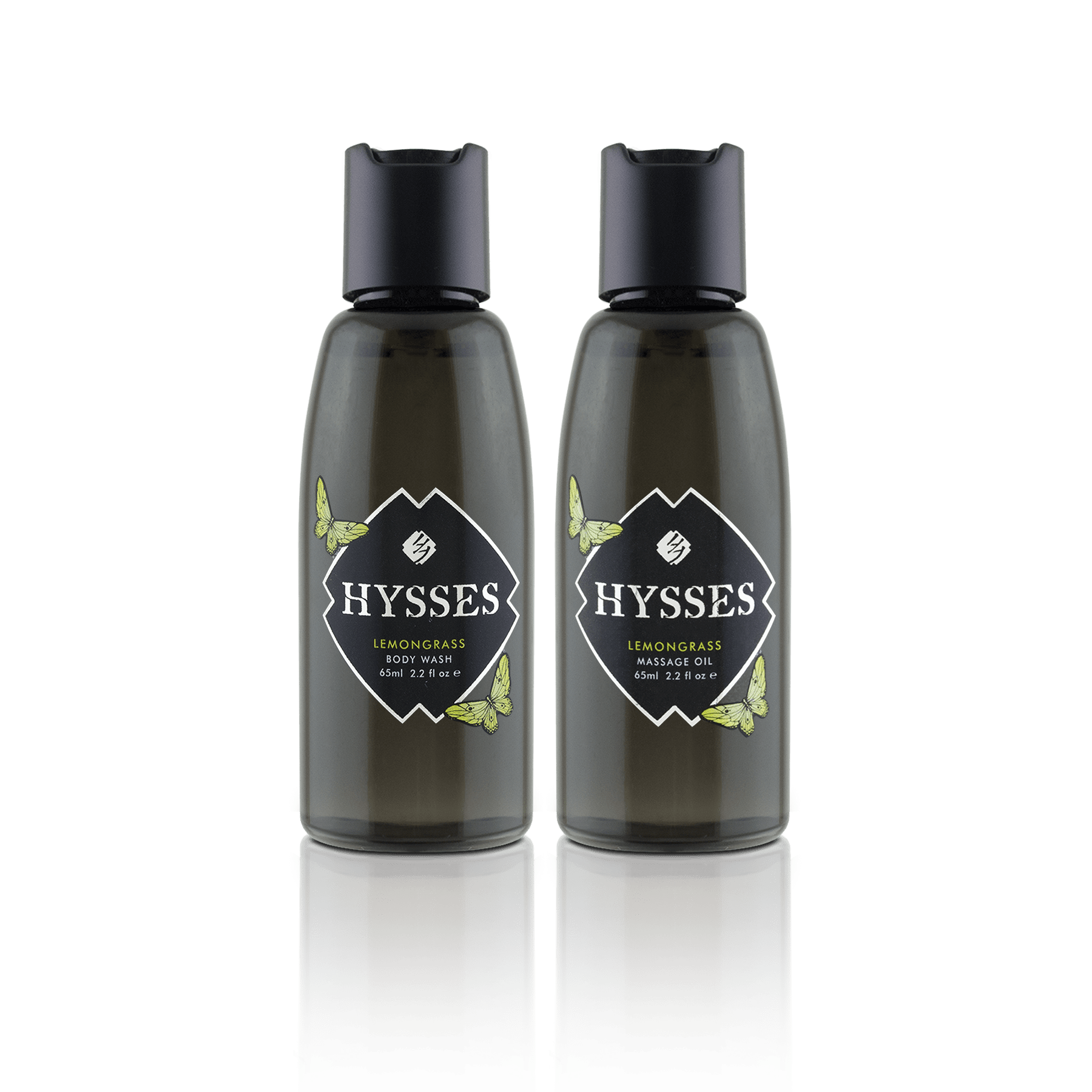
Using essential oils in yoga can deepen focus, enhance relaxation, and create a more immersive sensory experience. Studies and practitioner insights show that specific essential oils such as lavender, peppermint, and frankincense can support concentration, ease tension, and calm the nervous system. Creating your own yoga products, such as mat sprays and massage oils, allows you to control quality and strength while connecting more mindfully with your practice.
According to Cheryl Gan, Founder and Managing Director of HYSSES, “Essential oils, when used consciously, help practitioners cultivate a deeper connection between the body and breath. A well-balanced blend can enhance the mood and intention of every yoga session.”
Understanding Essential Oils and Their Benefits
Essential oils are concentrated extracts derived from plants through steam distillation or cold pressing. Each oil carries unique therapeutic properties that can complement different styles of yoga.
Key essential oils suitable for yoga and meditation include:
-
Lavender Essential Oil: Calms the mind and promotes emotional balance.
-
Peppermint Essential Oil: Invigorates the senses and sharpens mental clarity.
-
Frankincense Essential Oil: Grounds the mind and deepens meditation.
-
Tea Tree Essential Oil: Purifies and refreshes yoga mats and spaces.
-
Eucalyptus Essential Oil: Clears airways and promotes steady breathing.
-
Lemongrass Essential Oil: Uplifts the mood and helps ease muscle tension.
By familiarising yourself with each oil’s qualities, you can create personalised blends that align with the pace and purpose of your yoga practice.
Safety and Preparation Before You Begin
Essential oils are powerful natural substances that require proper handling. The following safety guidelines ensure a positive and risk-free experience.
-
Dilution: Use a 2 percent dilution for topical applications, which equals about 12 drops of essential oil per ounce of carrier oil.
-
Phototoxic Oils: Oils such as lemongrass and bergamot can increase sun sensitivity. Avoid direct sunlight for 12 hours after use.
-
Internal Use: Do not ingest essential oils without guidance from a certified aromatherapist.
-
Special Populations: Pregnant individuals, children, and pets may react differently. Always consult a healthcare professional.
-
Patch Testing: Apply a small amount of the blend on the inner forearm and wait 24 hours before full use.
DIY Essential Oil Yoga Mat Spray
A clean yoga mat helps maintain hygiene and focus. A naturally scented mat spray keeps your practice area fresh and supports mindfulness.
Why Use a Mat Spray
-
Removes bacteria and mildew naturally
-
Adds a calming or uplifting aroma
-
Reinforces intention and energy for each session
Basic Mat Spray Recipe
-
Base: 4 ounces distilled water
-
Emulsifier: 1 tablespoon witch hazel or white vinegar
-
Essential Oils: 20 to 30 drops in total
-
Container: Amber glass spray bottle
Instructions
-
Pour water and witch hazel into the bottle.
-
Add your chosen essential oils.
-
Secure the cap and shake gently.
-
Label clearly and store in a cool, dark place.
Suggested Scent Blends
-
Refreshing: 10 drops Tea Tree + 10 drops Peppermint
-
Calming: 15 drops Lavender + 10 drops Eucalyptus
Shake before each use and mist lightly over your mat after practice.
Crafting Your Own Yoga Massage Oil
Massage oils relieve muscle tension and enhance post-practice recovery. Pairing essential oils with nourishing carrier oils adds therapeutic benefits and a luxurious sensory feel.
Choosing a Carrier Oil
-
Jojoba Oil: Closest to the skin’s natural sebum.
-
Sweet Almond Oil: Lightweight and soothing.
-
Fractionated Coconut Oil: Fast-absorbing and non-greasy.
Dilution Guidelines
-
2 percent for daily use (12 drops per ounce)
-
3 to 5 percent for short-term relief (18 to 30 drops per ounce)
Massage Oil Blends
Sore Muscle Relief
-
1 oz carrier oil
-
8 drops Eucalyptus
-
6 drops Rosemary
-
4 drops Lavender
Deep Relaxation
-
1 oz carrier oil
-
10 drops Lavender
-
5 drops Bergamot
-
5 drops Frankincense
Warm 1 to 2 teaspoons in your palms and massage into tired areas before or after practice.
Custom Aromatherapy Blends for Every Yoga Style
Essential oils can be diffused, rolled on, or inhaled to enhance focus and balance energy during different yoga styles.
Methods of Use
-
Diffuser: Disperses aroma to set the mood.
-
Roll-On: Portable and ideal for targeted application.
-
Inhaler Stick: Convenient for meditation or travel.
Tailoring Blends to Your Practice
-
Flow Yoga: Peppermint and Lemon for energy.
-
Restorative Yoga: Frankincense and Lavender for relaxation.
-
Meditation: Sandalwood and Frankincense for grounding.
Sample Blend (10 mL Roller Bottle)
-
5 mL Jojoba Oil
-
5 mL Fractionated Coconut Oil
-
8 drops Frankincense
-
6 drops Lavender
-
4 drops Sandalwood
Label the bottle with ingredients and date. Store in a cool, dark place for up to one year.
Expert Tips for DIY Enthusiasts
According to aromatherapy researcher Robert Tisserand, essential oil quality determines both safety and efficacy. Always source from reputable suppliers that provide GC/MS purity reports.
Sourcing Quality Oils
Choose pure, steam-distilled essential oils from trusted brands like HYSSES, where all oils are ethically sourced and tested for purity.
Eco-Friendly Packaging
Reuse amber glass bottles and aluminium caps where possible. Biodegradable labels maintain sustainability while keeping blends well organised.
Helpful Tools
Use small funnels, pipettes, and droppers to ensure precise blending and prevent waste.
Gifts for Yogis
DIY essential oil sets, such as mat sprays and massage oils, make thoughtful, natural gifts that promote wellness and mindfulness.
Blending essential oils for yoga connects the mind, body, and senses in a holistic way. By crafting your own mat sprays, massage oils, and roll-on blends, you enhance your yoga journey while ensuring purity and safety in every drop.
Explore our Essential Oils Collection, Body Wash Collection, and Nebuliser Cleaning Solution to complement your daily wellness ritual.
Frequently Asked Questions
Can I apply essential oils directly to my skin?
No. Essential oils are highly concentrated and must always be diluted with a carrier oil such as jojoba or almond oil.
Which oils are best for beginners?
Lavender, Tea Tree, and Sweet Orange are gentle and versatile. They balance, purify, and uplift when diluted correctly.
How long do essential oil blends last?
Blends stored in amber glass bottles, away from heat and sunlight, remain potent for up to one year.
Are essential oils safe during pregnancy?
Some oils like rosemary or peppermint should be avoided. Always consult a qualified healthcare provider before use.
Can essential oils stain mats or clothing?
Certain oils may leave marks. Conduct a patch test on fabrics before widespread use.
Disclaimer
This guide is intended for educational and informational purposes only. It is not a substitute for professional medical advice, diagnosis, or treatment. Always consult a qualified aromatherapist or healthcare provider regarding specific health concerns.
References
-
Gan, C. (2025). Founder and Managing Director, HYSSES. Expert commentary on aromatherapy and formulation practices.
-
Tisserand, R., & Young, R. (2014). Essential Oil Safety: A Guide for Health Care Professionals. Elsevier.
-
Journal of Applied Microbiology (2020). Research on antimicrobial properties of essential oils.
-
Harvard Health Publishing (2021). Aromatherapy and stress relief studies.
Related Articles
-
Choosing the Best Diffuser for your Home, Mood, and Lifestyle
-
Understanding Essential Oil Dilution Ratios

Share:
How to Enhance Your Yoga Practice with Essential Oils: Benefits, Scents and Techniques
Oiled Yoga: The Art of Movement, Massage, and Mindful Aromatherapy