

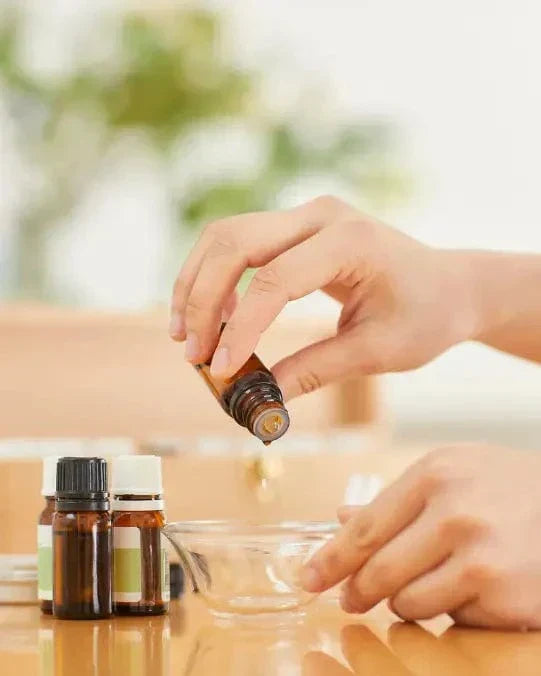
In a world that often moves too quickly, yoga offers a grounding pause to reconnect with body and mind. Incorporating essential oils into your practice introduces another layer of calm and focus. When chosen thoughtfully, these natural essences enhance breathing, deepen mindfulness, and transform ordinary movement into a restorative experience.
According to Cheryl Gan, Founder and Managing Director of HYSSES,
“Essential oils are more than aromatic companions. When used with intention, they can support balance and emotional clarity, helping practitioners find harmony between body, breath, and spirit.”
Aromas from Lavender, Eucalyptus, or Frankincense can center attention and soothe both mind and muscles, enhancing overall well-being during each session.
The Benefits of Essential Oils in Yoga
Mental Clarity and Emotional Balance
Essential oils can complement yoga’s meditative qualities by quieting the mind and encouraging focus. Oils such as Lavender and Frankincense are well-documented for their calming effects. A 2020 study published in the Journal of Environmental Health Research reported that inhaling lavender essential oil reduced cortisol levels and supported mental relaxation.
Citrus oils like Bergamot, Lemon, and Orange uplift the mood and promote positivity, while Ylang Ylang provides emotional ease during slower-paced practices. This balance between mental stillness and emotional brightness enhances both concentration and the joy of movement.
Physical Relaxation and Recovery
Muscle tension or stiffness can limit flexibility. Essential oils such as Eucalyptus and Peppermint contain naturally cooling and anti-inflammatory properties that help ease soreness and improve post-yoga recovery.
After class, massaging a blend of Lavender, Frankincense, and Marjoram into tired muscles can encourage circulation and relaxation.
A light yoga mat spray prepared with Tea Tree and Lemon essential oils refreshes and deodorises the surface while signalling the transition into practice. This simple ritual supports both cleanliness and mindfulness.
Spiritual and Energetic Support
For many practitioners, yoga is also a spiritual journey. Essential oils like Sandalwood and Frankincense have long been used to deepen meditation. Applying a few diluted drops to the palms and inhaling gently before seated poses can encourage grounding and inner clarity. Sandalwood, in particular, supports focus and a sense of sacred calm during contemplative practice.
What Science Says About Aromatherapy and Yoga
Scientific research continues to support the beneficial interaction between aromatherapy and relaxation practices such as yoga. Several studies highlight the following essential oils for their impact on the nervous system and mental focus:
-
Lavender: Reduces anxiety and promotes calmness.
-
Peppermint: Increases alertness and clarity.
-
Frankincense: Influences brainwave activity associated with meditative states.
-
Eucalyptus: Opens the airways and encourages steady breathing.
While individual responses may vary, consistent findings show that high-quality, pure essential oils, such as those from HYSSES, can enhance overall well-being during mindful movement.
Best Essential Oils for Yoga Practice
Each yoga session benefits from a different aromatic profile. Selecting the right oils allows you to align intention, energy, and focus.
-
Lavender, Geranium, Sandalwood: Encourage relaxation and emotional stability for restorative or Yin yoga.
-
Peppermint, Lemon, Rosemary: Energise morning flows and improve concentration during dynamic sequences.
-
Frankincense, Ylang Ylang, Cedarwood: Deepen meditation and support inner awareness.
-
Eucalyptus, Tea Tree, Grapefruit: Refresh the airways and help maintain clarity during breathwork or vinyasa practice.
All HYSSES essential oils are 100% pure and ethically sourced, ensuring safe and effective results for every practice.
Explore the Essential Oils Collection
Crafting Your Own Blends
Creating custom blends allows you to tailor the atmosphere and energy of your session. Always dilute essential oils before topical use and store blends in dark glass bottles to preserve their potency.
Pre-Yoga Energizer
Ingredients: Peppermint, Orange, Rosemary
Purpose: Boosts energy and focus before practice.
Use: Diffuse for 10 minutes prior to yoga or apply one diluted drop to pulse points.
Post-Yoga Recovery
Ingredients: Lavender, Frankincense, Marjoram
Purpose: Relieves muscle tension and promotes calm.
Use: Massage into shoulders or legs after class.
Meditation Blend
Ingredients: Sandalwood, Frankincense, Ylang Ylang
Purpose: Deepens stillness and enhances grounding during meditation.
Use: Inhale from cupped palms or diffuse gently.
Refreshing Mat Spray (100 ml)
Ingredients:
80 ml distilled water
20 ml witch hazel
10 drops Tea Tree
8 drops Lemon
5 drops Eucalyptus
Purpose: Cleans and refreshes your yoga mat while uplifting the senses.
Use: Spray lightly before and after each session.
How to Use Essential Oils in Your Yoga Routine
Diffusion
Use a diffuser to disperse scent evenly throughout the space. Begin diffusing 10 to 15 minutes before practice to create a balanced environment.
Explore the HYSSES Diffuser Collection
Topical Application
Dilute essential oils in a carrier oil before applying to the skin. Use on wrists, neck, or feet to create a personal aromatic experience.
Yoga Mat Spray
A natural mat spray helps maintain cleanliness and serves as an aromatic cue to begin and end your practice. Oils like Tea Tree and Eucalyptus are particularly suitable for this use.
Self-Massage
After Savasana, apply diluted Lavender or Frankincense to tense muscles. Gentle massage enhances both relaxation and recovery.
Meditative Anchors
Inhale from a bottle or cotton pad before meditation to establish a sensory association that helps bring the mind back to focus.
Safety and Best Practices
-
Dilution: Use a 2–3% dilution ratio for topical blends.
-
Patch Test: Test on the inner wrist before full application.
-
Storage: Keep oils in dark glass containers away from heat and light.
-
Sensitivity: Avoid oils that may trigger allergies.
-
Medical Guidance: Consult a professional before using essential oils if pregnant or under medication.
-
Do Not Ingest: Essential oils are for external use only.
Read our Guide on How to Use a Nebuliser Correctly
Final Thoughts
Essential oils have the power to elevate every aspect of yoga, from physical restoration to emotional clarity. Whether you diffuse Lavender to relax, apply Peppermint for focus, or breathe in Sandalwood for spiritual grounding, each scent invites balance between breath, body, and awareness.
To begin your own aromatherapy journey, explore the full range of HYSSES Essential Oils and discover how scent can deepen your connection to every movement and moment on the mat.
Frequently Asked Questions
1. Can essential oils be used in a group yoga class?
Yes. Use gentle diffusion and inform participants to ensure comfort for all.
2. Which essential oils are best for morning yoga?
Peppermint, Lemon, and Grapefruit encourage alertness and energy.
3. How can I clean my yoga mat naturally?
A blend of Tea Tree, Lemon, and distilled water works effectively as a mat spray.
4. Are HYSSES essential oils safe for sensitive skin?
Yes, when properly diluted. Perform a patch test before regular use.
5. Which oils support meditation?
Frankincense and Sandalwood enhance focus and calm, making them ideal for mindfulness and breathwork.
Disclaimer
This guide is intended for educational and informational purposes only. It is not a substitute for medical advice, diagnosis, or treatment. Always consult a qualified healthcare professional before starting any new wellness routine involving essential oils.
References
-
Journal of Environmental Health Research (2020). Effects of Lavender Aromatherapy on Stress and Cortisol Regulation.
-
Tisserand, R., & Young, R. (2014). Essential Oil Safety: A Guide for Health Care Professionals.
-
Perry, E. & Perry, R. (2006). Aromatherapy in the management of stress and anxiety. Journal of Clinical Nursing.
-
Harvard Health Publishing (2022). The science behind aromatherapy and relaxation.
-
Statements reviewed by Cheryl Gan, Founder and Managing Director, HYSSES.
Related Articles
-
A Step-by-Step Guide on How to Use a Nebuliser Correctly
-
The Art of Layering Scents with Pure Essential Oils
-
Understanding the Difference Between Diffuser Types

Share:
Tea Tree Oil for Yoga Mat Cleaning: Benefits & How to Use It Safely
DIY Essential Oil Products for Yoga: Mat Sprays, Massage Oils and Custom Blends