

A Cleaner, Mindful Practice Starts with Your Mat
After a restorative yoga session, your mat may appear clean, but sweat, skin oils, and dust can harbour unseen bacteria. A 2020 study published in the Journal of Environmental Health Research found that uncleaned yoga mats can accumulate microorganisms comparable to gym floors.
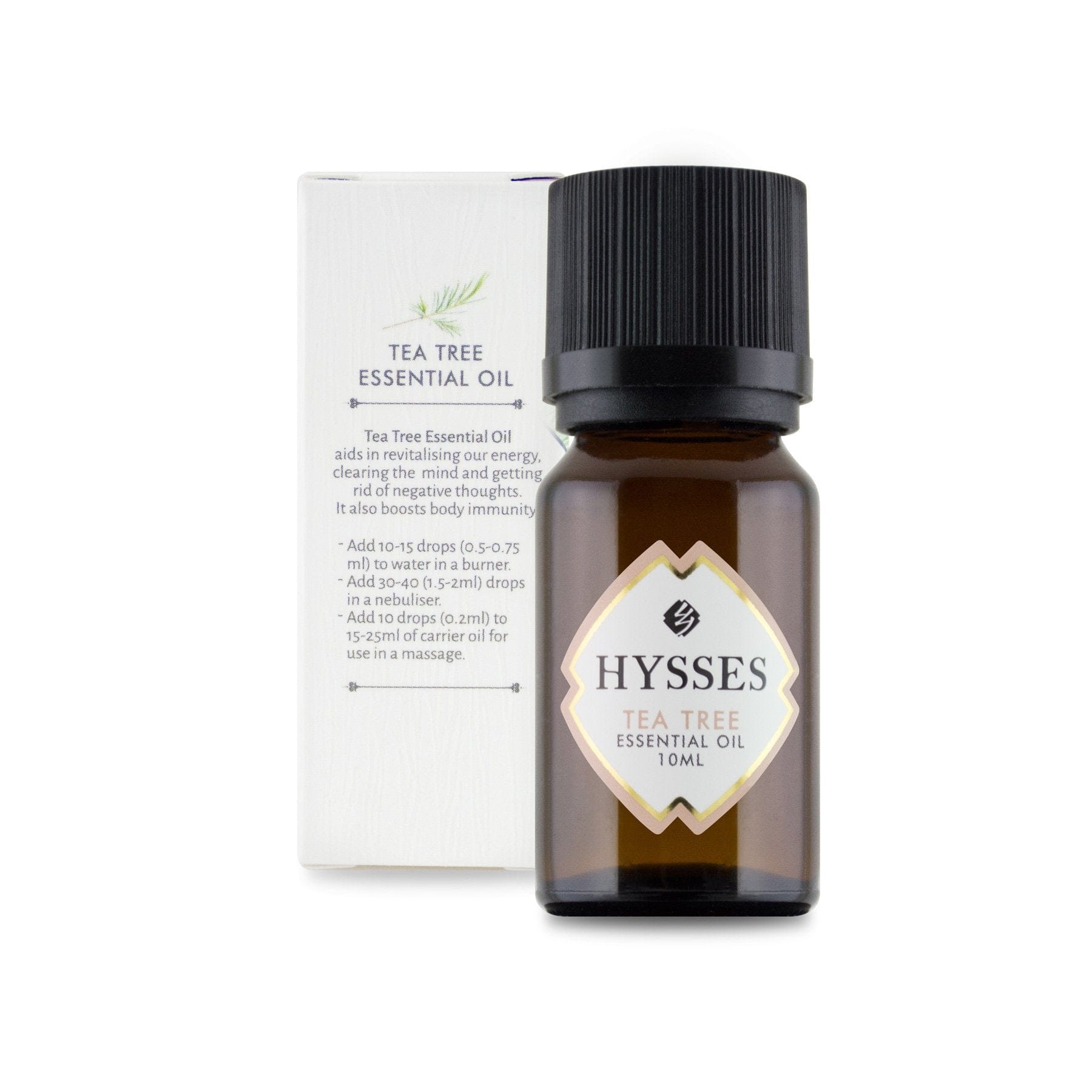
A clean mat is not only about hygiene; it is about mindfulness and respect for your body and environment. Tea Tree Essential Oil, known for its natural antibacterial and antifungal properties, offers a safe and effective way to cleanse your mat without synthetic chemicals.
“Aromatherapy should bring balance to both the senses and the environment. Tea Tree Oil remains one of the most reliable natural solutions for a clean and mindful practice.”
— Cheryl Gan, Founder and Managing Director, HYSSES
Why Cleaning Your Yoga Mat Matters
When sweat and skin cells seep into your mat, they create a surface where bacteria and fungi can thrive. Over time, this can lead to:
-
Skin irritation or infections
-
Unpleasant odours
-
Mat deterioration and loss of grip
Regular cleaning prevents these issues, extending your mat’s life and ensuring each practice feels grounded and fresh.
The Natural Power of Tea Tree Oil
Tea Tree Essential Oil is celebrated for its antimicrobial strength, largely attributed to its terpinen-4-ol content. According to a 2019 review in the Journal of Applied Microbiology, tea tree oil effectively inhibits bacteria such as Staphylococcus aureus and fungi like Candida albicans.
When used in yoga mat cleaning sprays, tea tree oil:
-
Eliminates germs and fungi that thrive in moist conditions
-
Neutralises odours naturally
-
Provides an eco-friendly alternative to chemical cleaners
-
Protects the texture and grip of your mat
-
Can be used safely on other yoga gear such as blocks, straps, and props
Crafting Your DIY Tea Tree Oil Yoga Mat Spray
Tea tree oil should always be diluted before application. This ensures safety for both your skin and the mat material.
Ingredients
-
1 cup distilled water
-
¼ cup witch hazel or white vinegar
-
10 drops HYSSES Tea Tree Essential Oil
-
Optional: 5 drops HYSSES Lavender or Eucalyptus Essential Oil for a fresh aroma
Instructions
-
Combine distilled water and witch hazel (or vinegar) in a clean spray bottle.
-
Add essential oils. Secure the cap and shake well.
-
Shake before each use to maintain even dispersion.
How to Clean Your Mat
-
Lightly mist your mat after each practice.
-
Wipe gently with a soft, lint-free cloth.
-
Air dry completely before rolling or storing.
Avoid excessive spraying or soaking, as too much liquid can affect the mat’s grip and material.
Safety Guidelines
-
Test on a small corner first. If discoloration occurs, replace vinegar with witch hazel.
-
Store spray in a cool, dark place. Use within four weeks.
-
Keep out of reach of children and pets. Tea tree oil is toxic if ingested.
-
Wash hands after use, especially if sensitive to myrtle or eucalyptus oils.
Enhancing Your Yoga Mat Cleaning Routine
You can personalise your spray using other HYSSES essential oils:
-
Lavender Essential Oil – adds a calming scent and gentle antiseptic properties
-
Lemon Essential Oil – provides a bright, refreshing aroma and mild degreasing ability
-
Eucalyptus Essential Oil – offers a crisp scent and enhances antifungal protection
A clean yoga mat forms the foundation of a mindful, restorative practice. Tea Tree Essential Oil offers a natural, effective, and eco-friendly solution that safeguards both your mat and your well-being. By adopting this gentle cleaning ritual, you nurture your body, respect your practice space, and honour nature’s purity.
Explore more in our Essential Oils Collection and Diffusers Collection to enhance your wellness rituals.
Frequently Asked Questions
1. Can I use tea tree oil directly on my yoga mat?
No. Always dilute tea tree oil with distilled water and a base such as witch hazel to protect the mat surface.
2. How often should I clean my yoga mat?
Lightly clean after each practice and deep clean weekly to prevent bacterial buildup.
3. Can I add other essential oils to the spray?
Yes. Lavender, Lemon, and Eucalyptus essential oils from HYSSES can complement Tea Tree for added fragrance and cleansing benefits.
4. Will vinegar damage my mat?
Most mats tolerate diluted vinegar, but always perform a patch test before regular use.
5. Can I use this spray for other yoga props?
Yes. It is safe for yoga blocks, straps, and similar equipment when used in moderation.
Disclaimer
This guide is intended for educational and informational purposes only and should not replace professional medical or product advice. Always follow manufacturer care instructions for your yoga mat and use essential oils responsibly.
References
Gan, C. (2025). Expert insights on essential oil hygiene and formulation. HYSSES Aromatherapy Division.
Journal of Applied Microbiology. (2019). Antimicrobial activity of tea tree oil: a review.
Journal of Environmental Health Research. (2020). Microbial contamination levels on yoga mats.
Tisserand, R., & Young, R. (2014). Essential Oil Safety: A Guide for Health Care Professionals. Churchill Livingstone.
Harvard Health Publishing. (2021). The role of aromatherapy in stress reduction and well-being.
Related Articles
-
How to Elevate Yoga & Meditation Practice with Essential Oils
-
5 Essential Oil Blends You Can Make at Home for a Better Yoga Experience

Share:
5 Essential Oil Blends You Can Make at Home for a Better Yoga Experience
How to Enhance Your Yoga Practice with Essential Oils: Benefits, Scents and Techniques