

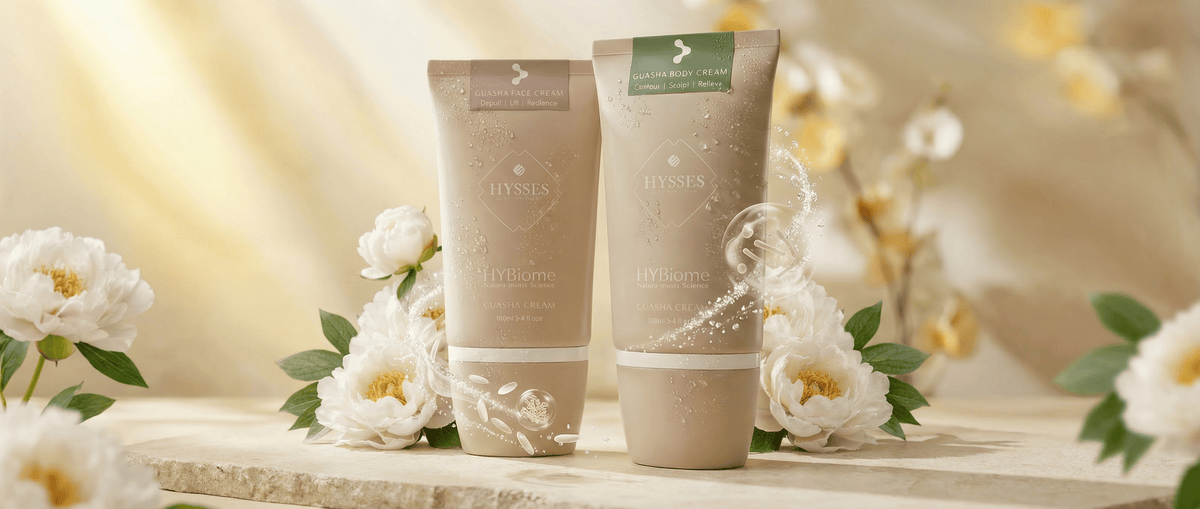
Beautiful skin is no longer measured by the number of skincare products on your bathroom shelf. Today's approach to skincare is more holistic, focusing on rituals that nourish both the skin and the mind. Rather than chasing quick fixes, people are embracing routines that combine mindful self-care with science-backed formulations to achieve healthier, more resilient skin over time.
One of the most popular wellness rituals is gua sha, a centuries-old facial massage technique rooted in Traditional Chinese Medicine (TCM). Once reserved for traditional healing practices, gua sha has become a staple in modern skincare routines thanks to its ability to promote relaxation, reduce facial puffiness, and enhance the absorption of skincare products. However, while many people focus on the massage itself, fewer realise that the products used during gua sha are just as important as the technique.
Modern skincare research has revealed another essential component of healthy skin - the skin microbiome. This invisible ecosystem of beneficial microorganisms plays a crucial role in maintaining the skin barrier, locking in moisture, and defending against environmental stressors. When guasha is paired with microbiome-conscious skincare, the result is a routine that supports both immediate radiance and long-term skin health.
As Cheryl Gan, Founder and Managing Director of HYSSES, explains:
"Effective skincare should work in harmony with the skin's natural functions. By combining mindful massage with carefully formulated skincare, we create rituals that not only enhance the skin's appearance but also support its natural balance and resilience."
This philosophy lies at the heart of the HYSSES HYBiome Collection, which combines botanical ingredients with microbiome-friendly formulations to help nourish and strengthen the skin while transforming everyday skincare into a mindful wellness ritual.
Why Gua Sha Continues to Stand the Test of Time
Although gua sha has become a favourite among skincare enthusiasts and beauty influencers, its origins date back hundreds of years within Traditional Chinese Medicine. Traditionally, practitioners used smooth-edged stones or jade tools to gently glide across the skin, encouraging circulation and promoting a sense of balance throughout the body.
Facial gua sha differs from body gua sha in that it uses light, controlled movements specifically designed for the delicate skin of the face. Gentle strokes along the neck, jawline, cheeks, and forehead create a soothing massage that many people find deeply relaxing while leaving the complexion looking refreshed.
Modern research supports several of these traditional observations. Research according to Edslev, S. M., et al. (2020), suggests that massage techniques can temporarily increase local skin microcirculation, while manual lymphatic drainage may help reduce temporary fluid retention and swelling that contribute to facial puffiness. Current evidence indicates these effects are generally temporary and vary depending on the individual and the massage technique used.
Rather than promising dramatic overnight transformations, gua sha encourages consistency - an approach that aligns with both traditional wellness practices and modern dermatology. Like any effective skincare habit, its benefits accumulate over time through regular practice.
The Benefits of Facial GuaSha
When performed gently and consistently, guasha offers a variety of skincare benefits that extend beyond creating a temporary glow.
Regular facial massage may help:
-
Support healthy-looking circulation
-
Encourage gentle lymphatic drainage
-
Reduce the appearance of temporary facial puffiness
-
Relax tension around the jaw, temples, and forehead
-
Improve the distribution and absorption of skincare products
-
Transform a daily skincare routine into a calming self-care ritual
Beyond the physical benefits, gua sha encourages mindfulness. Taking just five to ten minutes each day to slow down and massage the skin creates an opportunity to disconnect from daily stress while giving your complexion the attention it deserves.
To maximise these benefits, it's important to use products that provide sufficient glide while actively supporting skin health rather than simply lubricating the surface.
Why Gua Sha and Microbiome Skincare Are the Perfect Pair
Rather than being separate approaches, facial massage and microbiome-friendly skincare work exceptionally well together.
During gua sha, massage stimulates circulation while helping skincare products spread evenly across the skin. Meanwhile, microbiome-conscious formulations replenish hydration, strengthen the skin barrier, and minimise friction, allowing the guasha tool to glide smoothly without tugging or pulling delicate facial tissue.
Together, they create a skincare ritual that supports healthy-looking skin from multiple angles - combining physical stimulation with barrier support, hydration, and botanical nourishment.
This holistic philosophy reflects HYSSES' commitment to creating formulations inspired by nature while embracing modern skincare science. As internationally recognised aromatherapist Robert Tisserand has long advocated, botanical skincare performs best when it works with the skin's natural biology rather than disrupting it.
Whether you're new to facial massage or looking to refine your skincare routine, pairing gua sha with microbiome-conscious products allows you to care for your skin in a way that is both restorative and scientifically informed.
Why the Right Face Cream Matters
One of the most common mistakes people make when practising gua sha is performing the massage on dry skin. While the technique is designed to be gentle, using a gua sha tool without sufficient slip can create unnecessary friction, leading to discomfort and placing stress on the skin's delicate surface.
Using a nourishing cream creates the ideal cushion, allowing the massage tool to glide smoothly while helping beneficial ingredients absorb more effectively into the skin. Unlike some facial or body oils that may feel overly heavy or greasy, a well-formulated cream provides lasting hydration, comfort, and skin barrier support without leaving an occlusive finish.
For face massage, the HYBiome Guasha Face Cream, Rose Ginseng takes this experience one step further with its innovative built-in guasha applicator. Designed to combine skincare and massage in one convenient product, the integrated guasha tool allows you to perform your fase massage while dispensing the cream, making it easier to enjoy the benefits of improved product application, smoother gliding, and a relaxing self-care ritual without needing a separate massage tool. Infused with HYBiome's microbiome-supporting formula, the cream helps nourish and strengthen the skin barrier while leaving skin feeling soft, supple, and deeply moisturised.
Because gua sha naturally enhances product distribution through massage, selecting a formula that actively supports your skin's microbiome is especially important. Microbiome-conscious ingredients help reinforce the skin's natural protective barrier, maintain healthy hydration levels, and promote balanced, resilient skin with every massage session.
Elevate Your GuaSha Ritual with HYBiome Guasha Face Cream
Created specifically to complement facial massage, the HYBiome Guasha Face Cream, Rose Ginseng 100ml combines luxurious texture with microbiome-conscious skincare, allowing your gua sha tool to glide comfortably while helping support the skin's moisture barrier.
Its rich yet lightweight consistency provides the perfect amount of slip for massage without feeling greasy, making it suitable for both morning and evening skincare rituals. More importantly, its carefully selected botanical ingredients work alongside the massage to nourish and comfort the skin.
Rose: Nature's Skin Comforter
Rose has long been treasured in both traditional wellness and modern skincare for its soothing and conditioning properties. Rich in naturally occurring antioxidants, rose helps leave the complexion feeling soft, hydrated, and refreshed while its delicate floral aroma transforms your skincare routine into a calming aromatherapy experience.
If you enjoy botanical skincare, you may also appreciate HYSSES' collection of Rose Essential Oils, which bring the same comforting floral benefits into your everyday wellness rituals.
Ginseng: Revitalising Skin Naturally
Used for generations throughout Traditional Chinese Medicine, ginseng is renowned for its revitalising properties. Rich in naturally occurring antioxidant compounds, it helps support healthy-looking skin while protecting it from everyday environmental stressors such as pollution and oxidative damage.
Combined with rose, ginseng creates a luxurious skincare experience that supports smoother, healthier-looking skin while enhancing the relaxing effects of gua sha massage.
This thoughtful combination reflects HYSSES' philosophy of blending traditional botanical wisdom with modern skincare science.
Perfect for Home or Travel
Consistency is one of the biggest contributors to healthy skin, which is why HYSSES also offers the HYBiome Guasha Face Cream, Rose Ginseng 10ml.
Compact enough to fit inside your handbag, gym bag, or carry-on luggage, the travel-sized version makes it easy to continue your skincare ritual wherever life takes you.
Whether you're travelling for business, enjoying a holiday, or simply refreshing your skin after the gym, maintaining your skincare routine becomes effortless.
Common Gua Sha Mistakes to Avoid
Gua sha is simple enough for beginners to incorporate into their skincare routine, but a few common mistakes can reduce its effectiveness or make the experience less comfortable. Fortunately, these are easy to avoid with the right technique and products.
Applying Too Much Pressure
One of the biggest misconceptions about gua sha is that firmer pressure delivers better results. In reality, facial gua sha should always feel gentle and relaxing.
The skin on the face is far more delicate than the body, so aggressive scraping is unnecessary and may lead to irritation. Light, controlled strokes are sufficient to encourage healthy-looking circulation while respecting the skin's natural structure.
If your skin feels sore or becomes excessively red after a session, you're likely using more pressure than needed.
Using Gua Sha Without Adequate Slip
Whether you're using a traditional gua sha tool or a skincare product with an integrated massage applicator, it's important never to perform gua sha on dry skin. Without enough glide, the massage can create unnecessary friction that tugs at delicate facial tissue instead of moving smoothly across the skin.
The HYBiome Guasha Face Cream, Rose Ginseng simplifies this step with its built-in gua sha applicator, allowing you to dispense the cream and perform your facial massage in one seamless routine. The nourishing formula provides the ideal slip for comfortable massage while delivering microbiome-conscious hydration to help strengthen the skin barrier, lock in moisture, and leave skin feeling soft, balanced, and refreshed.
Rushing Through the Routine
Gua sha isn't simply another skincare step - it's an opportunity to slow down.
Taking five to ten mindful minutes each day allows you to relax facial tension, distribute your skincare products evenly, and create a calming ritual that benefits both your complexion and overall wellbeing.
Consistency will always produce better long-term results than occasional intensive treatments.
Extend Your Ritual Beyond Your Face
While facial gua sha has become increasingly popular, holistic wellbeing extends beyond facial skincare.
Body gua sha offers an equally relaxing experience by helping ease muscular tension while encouraging moments of mindfulness after a long day. When paired with the right body cream, the massage becomes even more nourishing for the skin.
The HYBiome Guasha Body Cream has been created to complement body massage with a rich, moisturising texture that provides excellent glide while helping soften and hydrate the skin.
Whether you're massaging tired shoulders after work, soothing your legs after exercise, or simply taking time for self-care, the cream supports a luxurious full-body wellness ritual.
Healthy skin begins with small, intentional rituals practised every day. Discover how the HYBiome Collection combines botanical ingredients with microbiome-conscious skincare to complement your gua sha routine, strengthen your skin barrier, and elevate your self-care experience. Explore the collection today and transform your daily skincare into a ritual inspired by nature, wellness, and modern skin science.
Frequently Asked Questions
Can I use gua sha every day?
Yes. Daily gua sha is suitable for most people when performed gently using a moisturising cream that provides enough glide. Consistency generally delivers better results than applying excessive pressure.
Is a face cream better than facial oil for gua sha?
Both can work well. However, a cream formulated specifically for facial massage offers excellent glide while simultaneously supporting hydration and the skin barrier, making it suitable for a wider range of skin types.
What is the skin microbiome?
The skin microbiome is the community of beneficial microorganisms that naturally live on the skin. Research suggests it plays a vital role in maintaining barrier function, moisture balance, and overall skin health.
Can gua sha help reduce puffiness?
Gentle lymphatic massage techniques may help reduce temporary fluid retention, leaving the face looking refreshed. Individual results vary, and guasha should be viewed as part of a consistent skincare routine rather than a quick fix.
How long should a gua sha routine take?
Most routines take between five and ten minutes, making them easy to incorporate into either a morning or evening skincare ritual.
Who should avoid gua sha?
Avoid using gua sha over broken skin, active infections, severe acne flare-ups, sunburn, or areas that have recently undergone cosmetic procedures unless advised otherwise by a qualified healthcare professional or dermatologist.

Share:
Why Skin Barrier Health Matters: The Role of the Microbiome in Your Daily Skincare Routine
The Complete Guide to TCM Skincare and Microbiome Science: Building a Holistic Routine for Healthy, Radiant Skin