

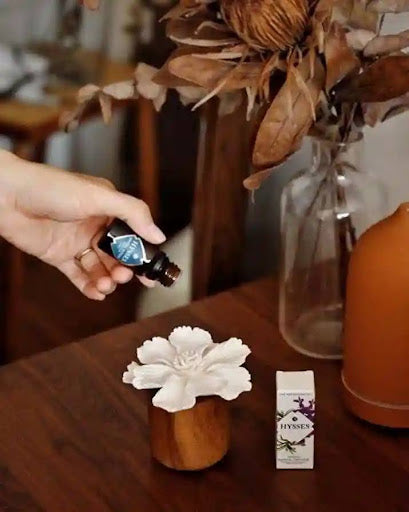
In today’s fast-paced world, creating a calming and uplifting environment whether at home or in your car has become more important than ever. One of the most effective and natural ways to achieve this is by diffusing essential oils. With their soothing aromas and therapeutic properties, essential oils can transform any space into a sanctuary of wellness. Whether you're looking to relax after a long day, boost your focus during a commute, or simply freshen the air, learning how to diffuse essential oils properly is the first step toward making aromatherapy a part of your everyday life.

Why Diffusion is More Than Just a Pleasant Scent
The term “diffuse” refers to dispersing essential oil molecules into the air, allowing you to inhale their aromatic benefits. Unlike synthetic air fresheners, diffusion preserves the natural properties of oils, offering both sensory pleasure and wellness support. For instance, eucalyptus oil helps clear congestion, while lavender promotes relaxation.
Why Diffuse Essential Oils?
Diffusing oils isn’t just about filling a room with fragrance. Certain oils, like peppermint and lemon, can purify the air by reducing airborne bacteria. Others, such as tea tree oil, are celebrated for their antimicrobial properties though it’s worth noting that while diffusion can reduce germs, it shouldn’t replace standard cleaning practices. Beyond health benefits, oils like bergamot or rosemary can enhance mood, focus, and even repel pests.

Diffusion on the Move
The popularity of diffusing essential oils has moved beyond the home. Many now seek to enjoy these aromas in their vehicles. This brings us to an increasingly common question: how to diffuse essential oils in a car?
There are several car-specific diffusers available today. Vent clip diffusers attach directly to your air conditioning vents, dispersing the scent as air flows through. USB-powered diffusers are also an excellent choice, especially for modern vehicles with built-in USB ports.
When using essential oils in a car, safety is key. Essential oils are potent, and enclosed spaces like vehicles can quickly become overwhelmed with strong scents. Always start with a small number of drops about 1 to 3 depending on the diffuser and monitor how the scent develops. Some oils like peppermint can be stimulating and may help maintain alertness while driving. However, avoid overly relaxing oils like lavender if you’re behind the wheel for safety reasons
Choosing the Right Diffuser
With so many options available, it’s worth considering which diffuser is best for essential oils. The best diffuser for you depends on your environment and purpose. Ultrasonic diffusers are perfect for daily use at home; they're quite affordable, and double as humidifiers. Nebulizing diffusers are great for strong scent dispersal in larger rooms or for therapeutic use. Reed diffusers rely on natural capillary action to disperse scents, while car diffusers USB-powered and vent clip diffusers are both practical and effective.

How Much Oil Should You Use?
A common concern is how much essential oil to put in a diffuser. The answer depends on the size of the room, type of diffuser, and oil strength. As a general rule:
Ultrasonic diffusers: 3–5 drops per 100ml of water is a safe start.
Nebulizing diffusers: Usually controlled by timer or intensity, but start with 10–15 drops
Reed diffusers: 20–30 drops mixed into a carrier oil like fractionated coconut oil
Car diffusers: 1–2 drops suffice to avoid overwhelming the senses.
Creating Ambiance at Home
To diffuse oils at home, start by selecting a blend that matches your goal. For relaxation, try lavender and chamomile; for an energy boost, citrus oils like orange and grapefruit work wonders. Ultrasonic diffusers are ideal for bedrooms, offering both scent and subtle humidity.
For homes with dry air, using a humidifier with essential oils is an effective way to maintain moisture and fresh aroma simultaneously. Just remember to use oils sparingly and clean the humidifier regularly to prevent buildup.
No Diffuser? No Problem
If you don’t have a diffuser on hand, there are still plenty of ways to enjoy essential oils. You can place a few drops on a cotton ball and set it in a corner of the room or car. You can also add oils to a bowl of hot water for a quick room refresh. You can even spritz a DIY mix of water and oils onto upholstery for a subtle scent.
Maximizing Scent Strength
If you find that your diffuser isn’t producing a strong enough scent, try increasing the number of drops, use a stronger oil, or move the diffuser to an area with better airflow. Just be mindful not to overdo it, essential oils are concentrated and a little goes a long way.

Caring for Your Diffuser
To ensure your diffuser continues to work well, regular cleaning is essential. For ultrasonic diffusers, empty and rinse the tank after each use, and clean it thoroughly with vinegar weekly. Use a cotton swab to reach tight corners. Reed diffusers should have their sticks replaced every few months, and the container wiped clean before refilling. Proper maintenance extends your diffuser’s lifespan to last 1–3 years with care.
DIY Reed Diffusers
Crafting your own reed diffuser is simple: mix ¼ cup carrier oil (like sweet almond) with 20–30 drops of essential oil, then place reeds in the blend. Flip the sticks weekly to revive the scent, which typically lasts 2–3 months.
Benefits of Diffusing
Beyond the pleasing aroma, essential oils offer several wellness benefits. Oils like bergamot and ylang-ylang can improve mood, while eucalyptus and peppermint support respiratory health. There’s even evidence that diffusing essential oils can kill germs in the air, particularly when using antimicrobial oils like tea tree or lemon. Lemon essential oil serves as an ant repel, by simply diffusing lemon oil near windows or entryways or wipe surfaces with lemon oil diluted in water.
Choosing the Right Oils
The key to effective diffusion is choosing the right essential oils. For calming effects, look for lavender, cedarwood, or frankincense. For energy and focus, go with peppermint, lemon, or rosemary. Oils like tea tree and eucalyptus are great for purifying the air. And if you’re curious, can you use essential oils in an air purifier? Some air purifiers are designed with aroma trays where you can add a few drops, but always check the manufacturer’s instructions first.

Why Hysses Diffusers Stand Out
If you’re looking for high-quality diffusers, Hysses offers a great range, including ultrasonic models perfect for large spaces, elegant reed diffusers for décor and scent, and compact car diffusers for aromatherapy on the go. Our products are designed with durability and aesthetics in mind, making them a favorite among aromatherapy enthusiasts.
Safety Considerations
While diffusion is generally safe, some oils can irritate pets or children. Avoid diffusing near birds, and always ventilate cars to prevent overpowering scents. Pregnant individuals should consult healthcare providers before using certain oils.
Diffusing essential oils is more than just filling the air with pleasant scents, it’s about enhancing your well-being, setting the tone for your day, and creating spaces that support relaxation, clarity, and balance. Whether you're at home unwinding or on the road navigating a busy day, the right diffuser and essential oil blend can make all the difference. By understanding how each type of diffuser works, how much oil to use, and how to safely enjoy aromatherapy in different settings, you empower yourself to fully experience the natural benefits of essential oils.
If you're interested to learn more about essential oils and diffusers, visit our store and check out our blog for more tips.

Share:
Mixing and Diffusing Essential Oils
How to Treat Adverse Reactions to Essential Oils