

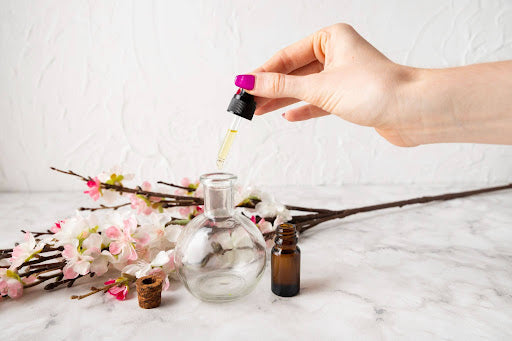
The Art of Mixing and Diffusing Essential Oils
You may imagine nature's peace caught in a single breath, with flower notes relaxing your senses and citrus undertones elevating your mood. This is the essence of essential oils. These concentrated plant extracts have long been valued for their capacity to promote emotional equilibrium, improve well-being, and purify the environment. To realize their full potential, adequate mixing, diffusion, and dilution are required. When used correctly, they ensure safety and maximize therapeutic effects.
This guide will teach you the fundamentals of essential oil use, with a focus on a well-liked combination of lavender and lemongrass. You'll learn about their distinct properties, how they work together, and how to use them for various purposes, including stress relief and skincare. It's easy to feel overwhelmed by the sheer number of oils and combinations available, which is why this guide exists: to simplify the process and help you blend with confidence.

Can You Mix Lavender and Lemongrass Essential Oil?
Lavender and lemongrass may appear to be an unexpected combination at first, but they complement each other perfectly when it comes to essential oils. To understand why, consider the qualities of each oil.
Lavender essential oil is popular for its calming and soothing properties. It's frequently used to enhance relaxation, relieve stress, and improve sleep. Lemongrass essential oil, on the other hand, has a bright, lemony aroma and is refreshing. It is well-known for its stimulating aroma, which can improve mood, as well as its antibacterial and antifungal properties. When you combine these two oils, you get a blend that is grounding and energizing, which is ideal for creating a balanced environment.
Lavender and lemongrass can be utilized in a variety of ways. For aromatherapy, combine a few drops of each in a diffuser for a fresh yet peaceful perfume that refreshes the air and reduces tension. This combination works best when diluted with a carrier oil such as jojoba or sweet almond oil. Lavender relaxes the skin, while lemongrass tones and purifies—ideal for oily or acne-prone skin. This blend can be used at home as a natural air freshener or linen spray. Simply combine with distilled water and a splash of witch hazel in a spray bottle.
However, as with any essential oil blend, it’s important to use them safely. Always dilute essential oils before applying them to the skin. Perform a patch test first to check for sensitivity, especially with lemongrass, which can be strong for some skin types. Also, avoid direct contact with eyes and never ingest essential oils unless under the guidance of a trained professional.
What Mixes Well with Lavender Essential Oil?
One of the reasons lavender remains a staple in most essential oil collections is its incredible versatility. Its soft, floral scent makes it easy to blend with many other oils, and its calming nature means it fits well in blends intended for relaxation, sleep, or emotional balance.
For relaxation, lavender pairs beautifully with oils like chamomile, cedarwood, and frankincense. These combinations help ease tension and quiet the mind—perfect for winding down after a long day. If you want a more uplifting effect, try blending lavender with lemon, orange, or peppermint. These citrus and minty scents energize the senses while lavender softens the blend, making it feel balanced rather than overpowering.
When sleep is your goal, lavender works nicely with darker, grounding oils like sandalwood, vetiver, and bergamot. These mixes are ideal for diffusing before bedtime or creating a calming pillow mist.
Here are a few simple DIY blend ideas to try:
-
Calm & Clarity Diffuser Blend: 3 drops of lavender, 2 drops of lemongrass, 1 drop of frankincense.
-
Fresh Linen Spray: In a 100ml spray bottle, combine 10 drops of lavender, 8 drops of lemongrass, 1 tbsp of witch hazel, and fill the rest with distilled water. Shake before use.
-
Relaxing Bath Blend: Mix 3 drops of lavender and 2 drops of chamomile with a tablespoon of carrier oil and add to warm bathwater.
-
Sleepy Time Roller Blend: Add 5 drops of lavender, 3 drops of vetiver, 2 drops of sandalwood, and top with fractionated coconut oil.
You’ll notice that experimenting with lavender is a go-to for almost any routine, as it allows you to tailor your self-care rituals to your mood, the time of day, or even the season—just start simple and adjust the ratios until it feels right for you.
How to Diffuse Essential Oils in Your Car

Diffusing essential oils in your car is a simple way to make your drive more pleasant and therapeutic. Whether aiming to reduce stress, improve focus, or freshen up lingering odors, aromatherapy can support your mood on the road. There are a few easy methods to do this. Car vent clip diffusers use your air system to spread the scent, while USB-powered diffusers are great if you want a continuous mist. For something low-effort, placing a few drops of oil on a cotton ball or felt pad and tucking it near a vent works well. You can also get creative with DIY fresheners using wooden beads or felt shapes.
The blend you choose depends on your needs. To stay alert, go for peppermint or lemon. For relaxation, try lavender or bergamot. If you're dealing with motion sickness, ginger or spearmint can help ease discomfort. Oils such as eucalyptus and lemongrass are also excellent for keeping your car clean and fresh-smelling. Whatever the method or combination, it's a little step that can make driving feel lighter and more enjoyable.
Why Dilution Is Important
Diluting essential oils is a crucial step that ensures both safety and effectiveness. Essential oils are highly concentrated and, when used undiluted, can cause skin irritation, redness, or even allergic reactions. Proper dilution minimizes these risks, especially when applying oils to sensitive areas or on children. It also helps the essential oil absorb more gradually into the skin, allowing the body to benefit fully from its therapeutic properties. Instead of swiftly evaporating, diluted oils offer a longer-lasting effect and are more comfortable to use during massages or everyday skincare procedures.
Carrier Oils and Their Benefits
Carrier oils act as the base for essential oil blends, and each offers its set of skin-loving benefits. Coconut oil is antimicrobial and adds a lightweight, silky texture perfect for everyday body care. Jojoba oil is technically a wax, not an oil, and it closely mimics your skin’s natural sebum, making it a fast-absorbing choice for facial applications. Almond oil is rich in vitamin E and deeply nourishing, especially for dry or sensitive skin types. These oils not only dilute the potency of essential oils but also improve application, enhance hydration, and contribute their subtle healing qualities to the blend.
Proper Dilution Ratios for Different Applications
Dilution ratios vary depending on the application, and understanding them can make an impact. A 1% dilution (one drop of essential oil to one teaspoon of carrier oil) for facial applications or sensitive skin is recommended. A 2-3% dilution is safe and effective for application on the entire body. Children, the elderly, and people with extremely sensitive skin should use a lower range, usually 0.5-1%. When making massage blends or roller bottles for adults, you can use up to 5% if necessary. Because they are not exposed to the body, household cleaning products may withstand higher concentrations, often ranging from 5 to 10%.
Safety Tips and Common Mistakes
Even natural products, such as essential oils, require careful handling. Skipping the patch test is a typical mistake because this simple procedure will help you avoid negative skin responses. Another mistake is overusing essential oils with the belief that "more is better," which can overload the senses and hurt the skin. Always store your mixes in dark glass bottles, as sunlight can impair the quality of the oils. Photosensitive oils, like lemon or bergamot, can increase your skin's sensitivity to sunshine. Follow the dilution guidelines and begin with small, moderate dosages when in doubt.
Final Thoughts
Incorporating essential oils into your daily routine is a natural and effective approach to improving your well-being, from creating tranquil environments to meeting specific emotional or physical requirements. This book covers the fundamentals of blending, oil qualities, and safety precautions to help you get started with confidence. Understanding how each oil works and carefully blending them allows you to create one-of-a-kind experiences that correspond with your personal goals. Essential oils can provide a holistic solution for relaxation, energizing, and focus.
Hysses urges you to enjoy the process of mixing and the path of discovery that it entails. Always start slowly, adhere to safety precautions, and observe how your body and mind react to various oils. Experimentation is part of the fun, so don't be hesitant to mix, tweak, and improve your concoctions. With time and practice, you'll be able to create blends that are uniquely personal to you. Allow your instincts and imagination to direct your aromatherapy experience.

Share:
The Ultimate Guide to Essential Oils
How to Diffuse Essential Oils at Home and in Your Car