

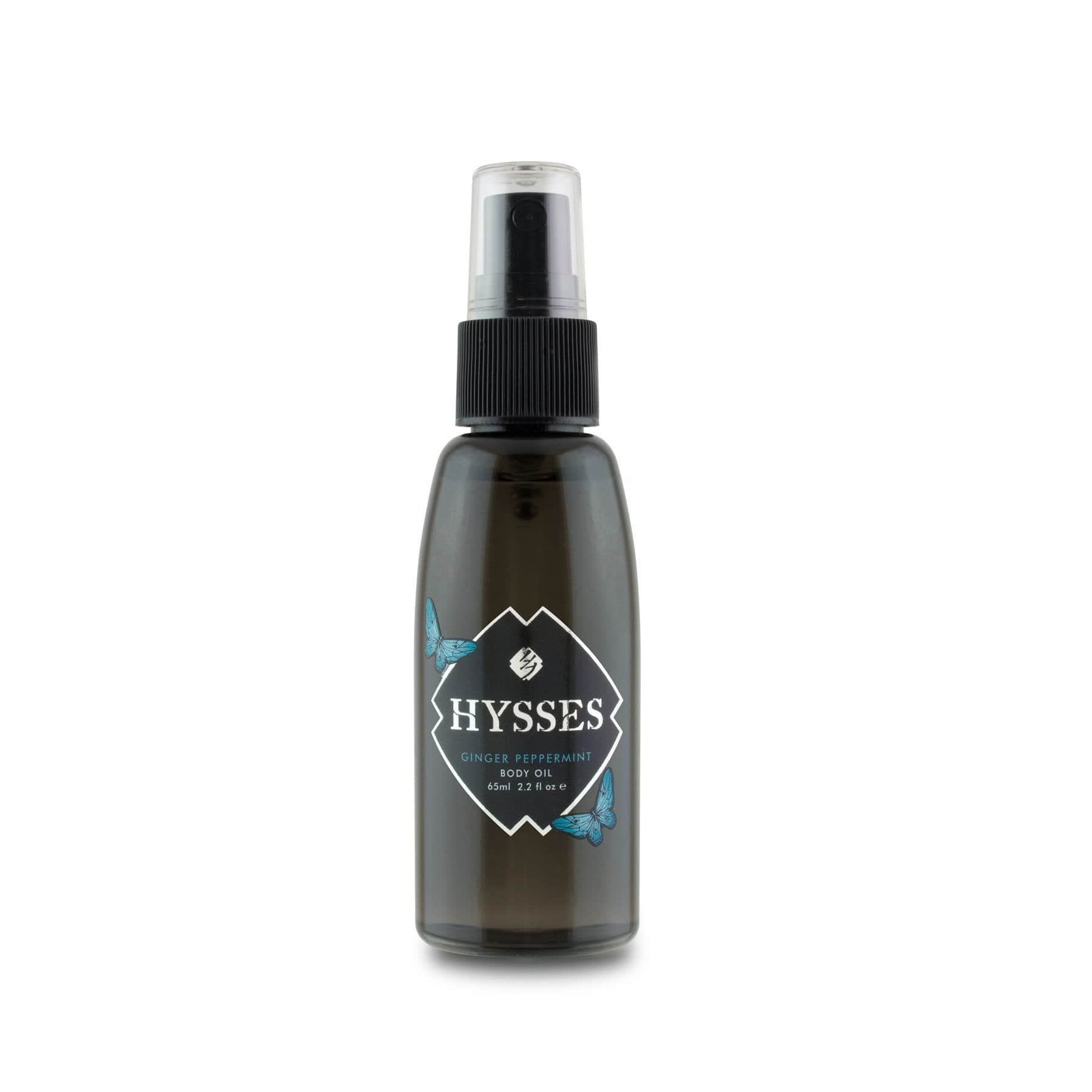
Few things feel as relaxing as a soothing body massage. Massage oils nourish the skin, ease muscle tension, and transform your home into a spa-like sanctuary. But as beneficial as they are, these luxurious oils often leave stubborn stains on clothes and linens. If you’ve ever struggled with oily patches after a massage, you’re not alone. This guide explains how to remove body oil stains effectively, and how to choose the right massage oils for your skin, featuring expert insights from Hysses Singapore.
Understanding the Nature of Body Oil Stains
Body oils are typically made from carrier oils blended with essential oils. These carrier oils are lipophilic, meaning they don’t mix well with water and cling to fabric fibres. This makes them notoriously difficult to wash out.
Heavier oils tend to leave more visible stains, while lighter oils absorb faster into the skin. Knowing the type of oil involved helps you select the right cleaning method to protect your garments.
“Natural oils bring incredible skin benefits, but their lipid-rich structure also means they can bind tightly to fabric,” says Cheryl Gan, Founder and Managing Director of Hysses, Barn & Potter Manufacturing, and 365Days.
Pre-Treatment: Your First Line of Defense
The sooner you treat oil stains, the better your chances of complete removal. Follow these steps:
-
Blot immediately: Use a paper towel or absorbent cloth to gently blot away excess oil without rubbing it deeper into the fibres.
-
Apply absorbent powder: Sprinkle baking soda or cornstarch over the stain and let it sit for 15–30 minutes to draw out the oil. Brush it off gently.
-
Use a grease-fighting agent: Apply a small amount of gentle dish soap directly to the stain and work it in with your fingers or a soft brush. Dish soap is effective because it breaks down fats and oils.
According to a 2020 study published in the Journal of Environmental Health Research, early intervention and the use of surfactants significantly increase the chances of removing lipid-based stains.
Washing Techniques That Work
When it comes to laundering, water temperature matters. Use the hottest water safe for the fabric, as heat helps dissolve oils. Combine this with a high-quality liquid laundry detergent formulated for stain removal.
-
Wash the item thoroughly and inspect it before drying.
-
Avoid the dryer until the stain is completely gone, as heat can set the oil permanently.
-
If stains remain, repeat the pre-treatment and washing process.
Caring for Delicate Fabrics
Silk, wool, and cashmere need extra care. Use lukewarm water with a mild detergent or baby shampoo, and gently hand-wash the garment. For expensive or delicate pieces, consider taking them to a professional cleaner in Singapore for specialised treatment.
Preventing Oil Stains During Massage
Prevention is always better than cure. Here are a few practical tips:
-
Designated clothing: Wear dedicated massage attire or use towels to protect fabrics.
-
Choose fast-absorbing oils: Lightweight oils like Jojoba or Grapeseed absorb quickly, reducing the risk of stains.
-
Opt for natural cotton: Cotton is easier to clean and less likely to retain oil stains.
Choosing the Right Massage Oils for Your Skin
Selecting the right massage oil isn’t just about fragrance; it determines how your skin feels during and after the massage. Hysses offers 100% pure essential oils and natural base oils that suit different skin types and preferences.
Jojoba Oil
Technically a liquid wax ester, Jojoba mimics the skin’s natural sebum. It’s non-comedogenic, absorbs quickly, and works well for oily, acne-prone, or combination skin. Its antioxidant and anti-inflammatory properties help calm irritation.
Sweet Almond Oil
Rich in vitamins A and E, this oil is nourishing and soothing. It has a moderate absorption rate, ideal for sensitive or dry skin and gentle massage techniques.
Citrus Blends (Bergamot, Grapefruit, Lemon)
Bright and uplifting, citrus oils are perfect for energising blends. When diluted in a carrier oil, they leave a fresh, clean scent ideal for warm climates like Singapore’s.
Floral Blends (Lavender, Geranium, Ylang Ylang)
These oils are deeply relaxing and ideal for calming evening massages. Lavender in particular has been shown to reduce stress and support better sleep (PubMed, 2019).
Explore our Essential Oils Collection to find your perfect match.
DIY Massage Oil Blends Using Hysses Essential Oils
Creating your own massage oil allows you to personalise your sensory experience. Always dilute essential oils with a carrier oil and perform a patch test before full use.
Relaxing Lavender Blend
-
½ cup Sweet Almond Oil
-
10 drops Lavender Essential
Energising Citrus Blend
-
½ cup Jojoba Oil
-
5 drops each of Lemon, Orange, and Peppermint Essential Oils
Floral Indulgence Blend
-
½ cup Sweet Almond Oil
-
5 drops Rose Essential Oil
-
3 drops Geranium Essential Oil
-
1 Vitamin E capsule (optional)
Store your blends in dark glass bottles away from heat and sunlight to maintain their potency.
For more tips on choosing the best carrier oils, read our Essential Guide to Body Oils: Types, Benefits, and Best Picks.
Final Thoughts
Massage oils bring numerous benefits, from relaxation and skin nourishment to aromatherapeutic effects. With proper pre-treatment, washing techniques, and preventive strategies, you can enjoy all the advantages of using Hysses body oils without worrying about stubborn stains on your clothes.
Explore our Body Oils Collection and Essential Oils Collection to create your own personalised blends for at-home wellness in Singapore.
Frequently Asked Questions (FAQs)
1. How do I remove body oil stains from delicate fabrics?
Gently blot the stain, use mild detergent or baby shampoo in lukewarm water, and hand-wash. Avoid heat or harsh scrubbing.
2. Can I use regular laundry detergent for oil stains?
Yes, but pair it with pre-treatment using dish soap or absorbent powder for better results.
3. Which massage oils are least likely to stain clothes?
Lightweight oils like Jojoba and Grapeseed absorb quickly and are less likely to leave stains compared to heavier oils.
4. Are Hysses essential oils suitable for blending at home?
Yes. Hysses offers pure essential oils ideal for creating custom blends. Always dilute properly with a carrier oil and patch-test before use.
5. Can citrus essential oils damage fabrics?
Not when diluted correctly. However, avoid applying undiluted essential oils directly to fabric.
Disclaimer
This guide is intended for educational and informational purposes only. It is not a substitute for professional cleaning or medical advice. Always conduct a fabric care test before applying cleaning agents, and consult a qualified professional for delicate or valuable garments.
References
-
Journal of Environmental Health Research (2020). Effectiveness of Surfactants on Lipid-Based Stains.
-
PubMed (2019). The Effects of Lavender Essential Oil on Stress and Sleep.
-
Tisserand, R. & Young, R. (2014). Essential Oil Safety: A Guide for Health Care Professionals.
-
Harvard Health Publishing. Aromatherapy and Essential Oils.

Share:
How to Use Body Wash Effectively: Expert Tips for a Better Bathing Routine
Affordable Body Wash in Singapore: A Comprehensive Guide by Hysses