

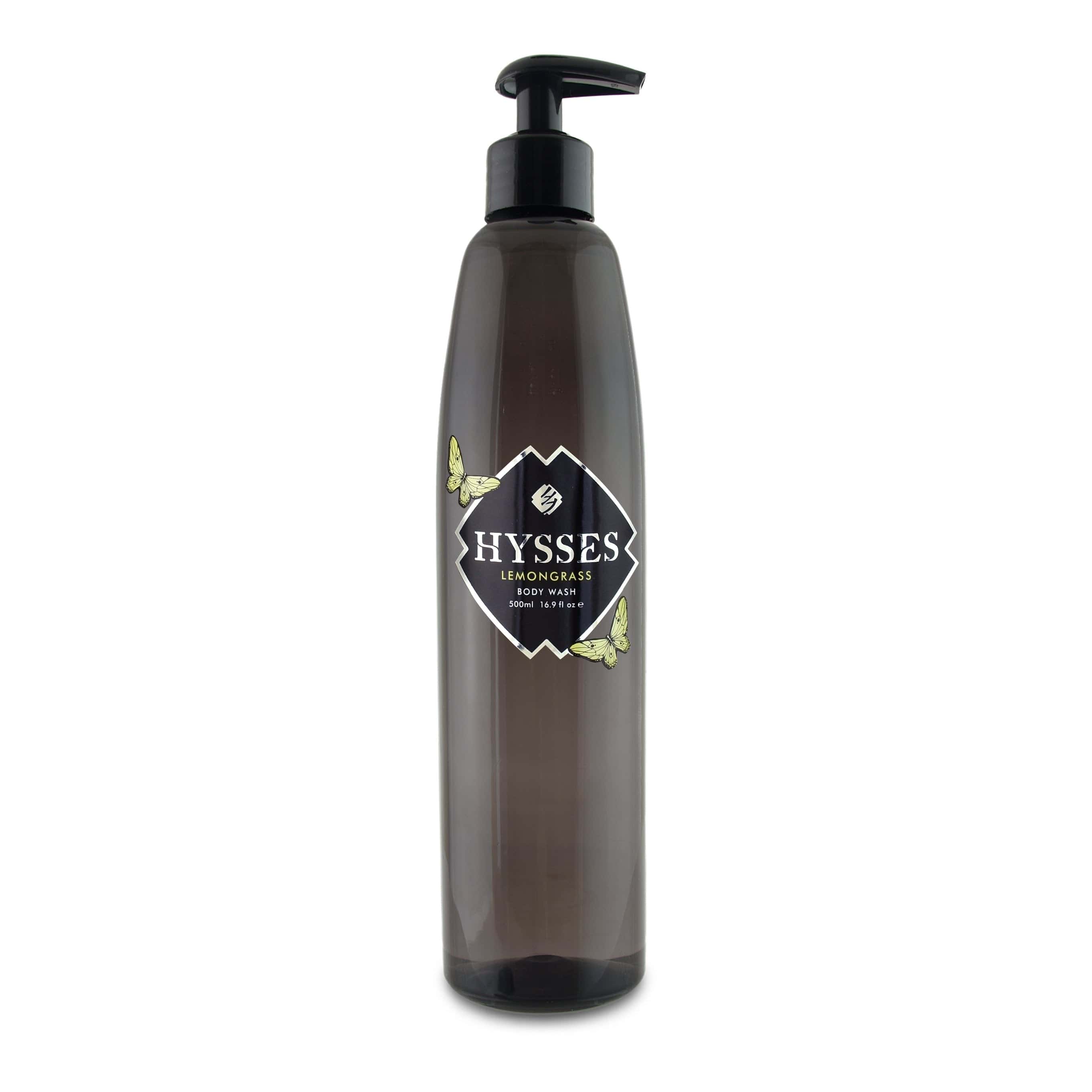
Daily self-care starts with simple rituals, and one of the most important is your shower. Using body wash effectively is more than just cleansing; it’s an opportunity to refresh your skin, support its natural barrier, and elevate your routine into a sensory wellness ritual.
According to Cheryl Gan, Founder and Managing Director of Hysses, “A well-formulated body wash does more than clean. It respects the skin’s natural pH balance, replenishes moisture, and transforms a daily habit into a moment of calm.”
Preparing Your Skin for Body Wash
The foundation of effective cleansing is preparation.
-
Start by wetting your skin thoroughly with warm (not hot) water.
-
Warm water helps to open pores and soften skin, allowing your body wash to work more efficiently.
-
Avoid hot water, as it can strip your skin’s natural lipids and cause dryness.
Once your skin is damp, apply a small amount of Hysses Body Wash onto your preferred cleansing tool. Lather before applying to your skin. A rich foam ensures the surfactants distribute evenly, helping lift away dirt and sweat without disrupting the skin barrier.
Best Tools to Use with Body Wash
The tool you choose affects how thoroughly your body wash cleanses and how smooth your skin feels after.
1. Loofahs
-
Excellent for generating a rich lather and offering light exfoliation.
-
Ideal for normal to oily skin types.
2. Washcloths
-
A classic option that’s gentle and easy to clean.
-
Great for sensitive skin; allows you to control pressure.
3. Silicone Body Scrubbers
-
Hygienic and quick-drying.
-
Gentle to moderate exfoliation depending on nub size.
-
Excellent for sensitive or acne-prone skin.
4. Exfoliating Gloves or Mitts
-
Offer a deep scrub for removing dead skin.
-
Best used 1–2 times a week on elbows, knees, and heels.
5. Bath Brushes with Handles
-
Ideal for hard-to-reach areas like the back and feet.
-
Bristle firmness determines exfoliation level.
Using the right tool enhances the efficacy of your body wash, leaving your skin smoother and cleaner.
Can I Use Body Wash on My Face?
Technically, yes, but it’s not recommended.
Facial skin is thinner and more delicate than body skin. Many body washes contain stronger surfactants and added fragrances, which may irritate facial skin or cause dryness.
Instead, dermatologists (American Academy of Dermatology) recommend gentle, pH-balanced facial cleansers for the face. Use body wash exclusively for the body for the best results.
Should You Use Soap After Body Wash?
In most cases, body wash alone is enough.
However, in situations such as after workouts, gardening, or cooking with strong-smelling ingredients, using an antibacterial or deodorising soap on targeted areas like the underarms or feet can be helpful.
If you choose to do both, avoid overwashing, which can lead to dryness. Follow up with Hysses Body Oil to lock in moisture and nourish the skin.
Soap vs. Body Wash: Which Is Better?
Both can cleanse the skin, but their formulations differ:
-
Bar soap is often more alkaline and may leave skin feeling dry.
-
Body wash is usually pH-balanced and enriched with hydrating ingredients, making it gentler on the skin barrier.
-
Body wash is more hygienic in shared bathrooms and convenient to dispense.
If soap leaves your skin tight or dry, switching to a hydrating body wash may benefit your skin.
For a deeper dive, read our blog:
Can I Use Shampoo as Body Wash?
Occasionally, yes, but not as a habit.
Shampoos often contain silicones, proteins, and conditioners designed for hair, which may leave residue or irritate the skin. If you must substitute, rinse thoroughly and follow with a hydrating lotion or oil to restore moisture.
Which Comes First: Body Scrub or Body Wash?
For the best results, exfoliate first.
-
Body scrubs remove dead skin and unclog pores.
-
Body wash then works more effectively, and moisturisers absorb better afterward.
-
Limit exfoliation to 2–3 times weekly, depending on skin type.
Finish with a nourishing Hysses Body Oil or lotion to lock in hydration.
For affordable options, explore our guide:
Final Thoughts
Using body wash correctly transforms a routine shower into a rejuvenating self-care ritual. Choose pH-balanced, naturally formulated washes, pair them with the right tools, and follow with body oils to maintain healthy, radiant skin.
Explore our Body Wash Collection to find the perfect match for your skin type and scent preference.
Frequently Asked Questions (FAQs)
1. How much body wash should I use per shower?
A coin-sized amount is usually enough for the entire body. Excess product doesn’t improve cleansing and may dry out your skin.
2. Can body wash help with dry skin?
Yes, if you choose a hydrating formulation and follow up with body oil. Look for essential oils like Lavender, Sandalwood, or Geranium for added moisture support.
3. How often should I exfoliate when using body wash?
2–3 times per week is ideal for most skin types. Over-exfoliation can cause sensitivity or dryness.
4. Should I switch body washes depending on the season?
Yes. Opt for hydrating formulas in dry or cold weather and lighter, refreshing scents like Lemongrass or Citrus during humid months.
5. What makes Hysses body washes different?
Hysses body washes are pH-balanced, enriched with pure essential oils, and free from harsh synthetic additives. Each formula is designed to respect your skin barrier while providing a refined aromatherapy experience.
Disclaimer
This guide is intended for educational and informational purposes only and is not a substitute for medical advice. If you have specific skin concerns, consult a dermatologist.
References
-
American Academy of Dermatology. (n.d.). Cleansing tips for healthy skin.
-
Journal of Environmental Health Research (2020). Water temperature and skin barrier function.
-
Tisserand, R., & Young, R. (2014). Essential Oil Safety (2nd ed.).
-
Cheryl Gan, Founder and Managing Director, HYSSES.

Share:
Top Essential Oil Diffusers Available in Singapore
How to Remove Body Oil Stains from Clothes: Effective Cleaning Tips